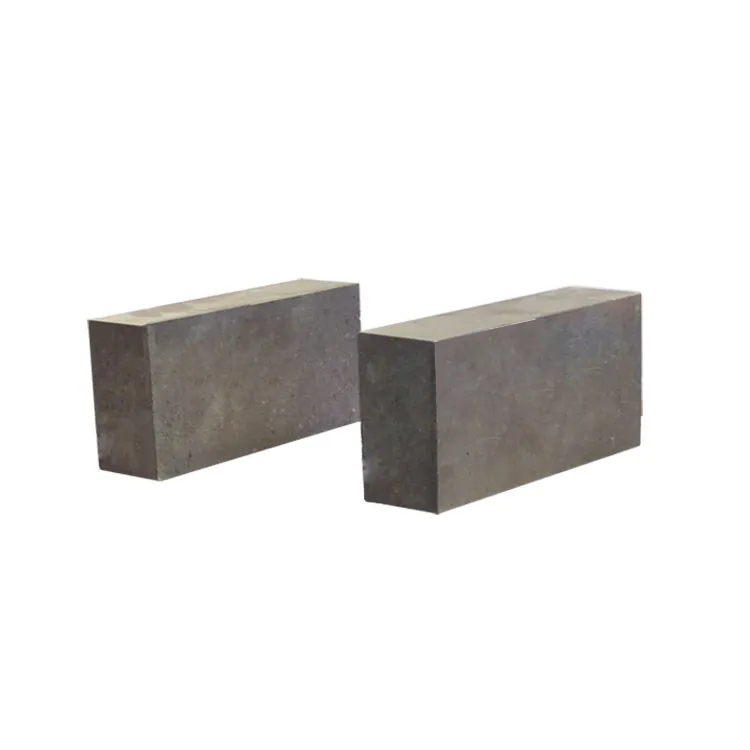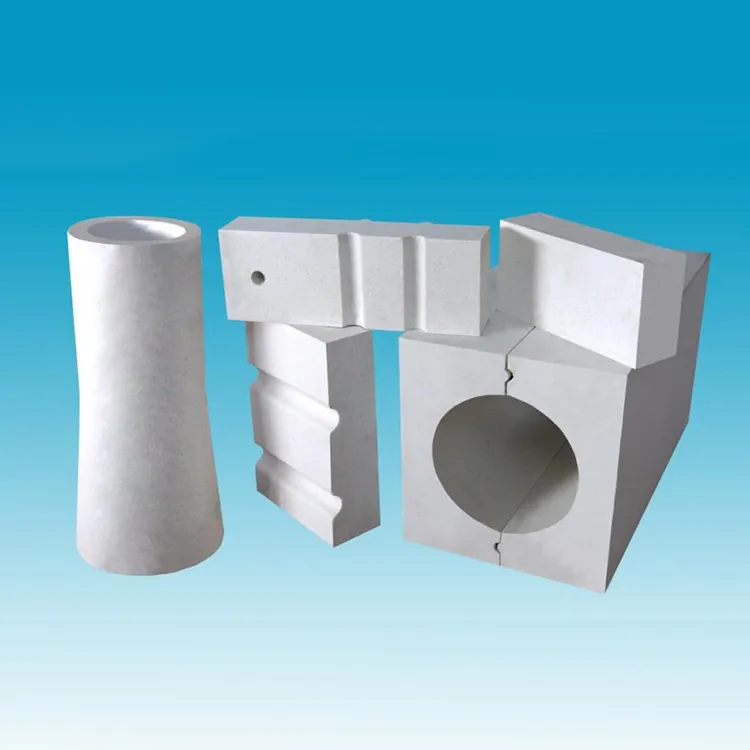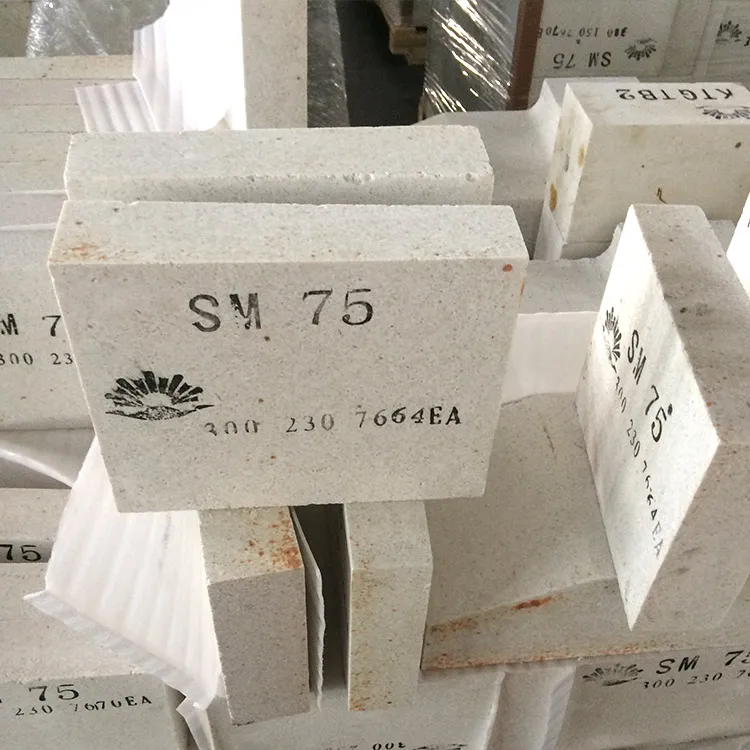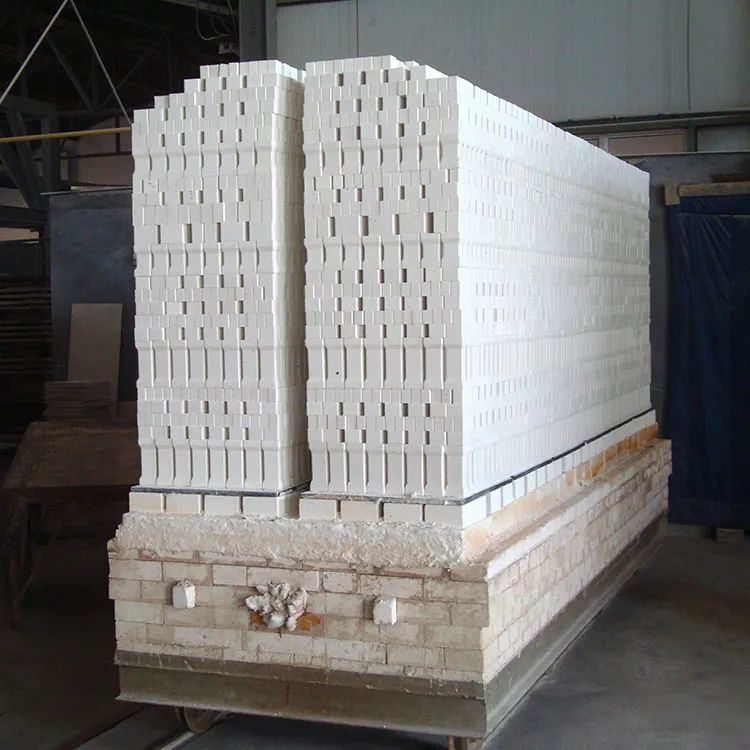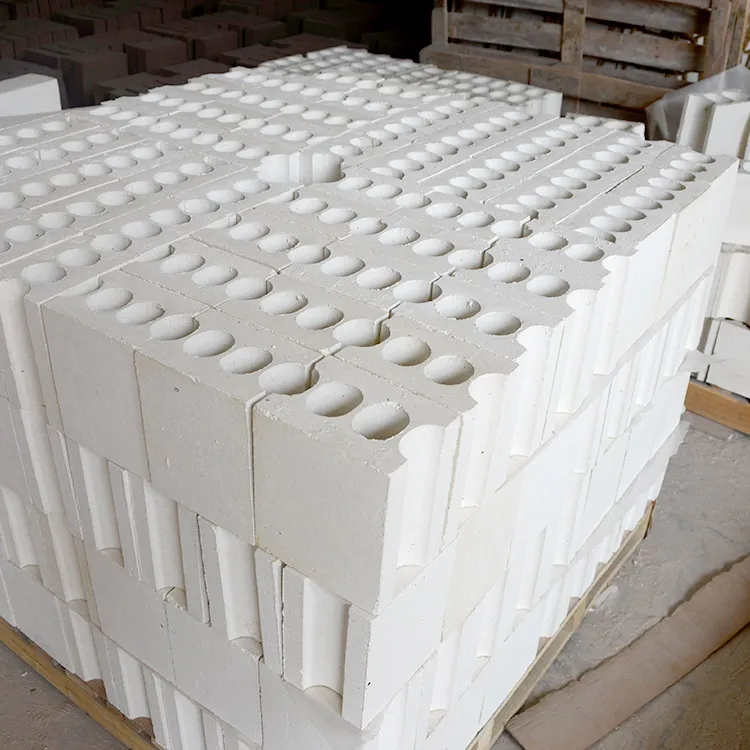
As a steel plant technical manager, you understand the frustration of unexpected downtime caused by refractory brick failures in charging zones. The average steel mill loses $150,000 to $300,000 per hour of unplanned downtime, according to industry reports. When your charging zone refractories fail prematurely, it's not just about replacing bricks—it's about missed production targets, increased labor costs, and compromised safety. Let's explore why traditional refractory solutions fall short and how modern materials like Sunrise's mullite-silicon carbide bricks are changing the game.
"Our coking plant was更换ing quenching chute refractories every 45 days. After switching to Sunrise's mullite-SiC bricks, we've extended that to 180 days—reducing maintenance costs by 62%." — Steel Production Manager, ArcelorMittal subsidiary
The charging zone operates in one of the most hostile environments in steelmaking. Your refractories face a triple threat daily:
These failure modes rarely act alone. A small crack from thermal shock accelerates abrasion and slag penetration, creating a cascading failure effect that can reduce brick life by 70% compared to ideal conditions.
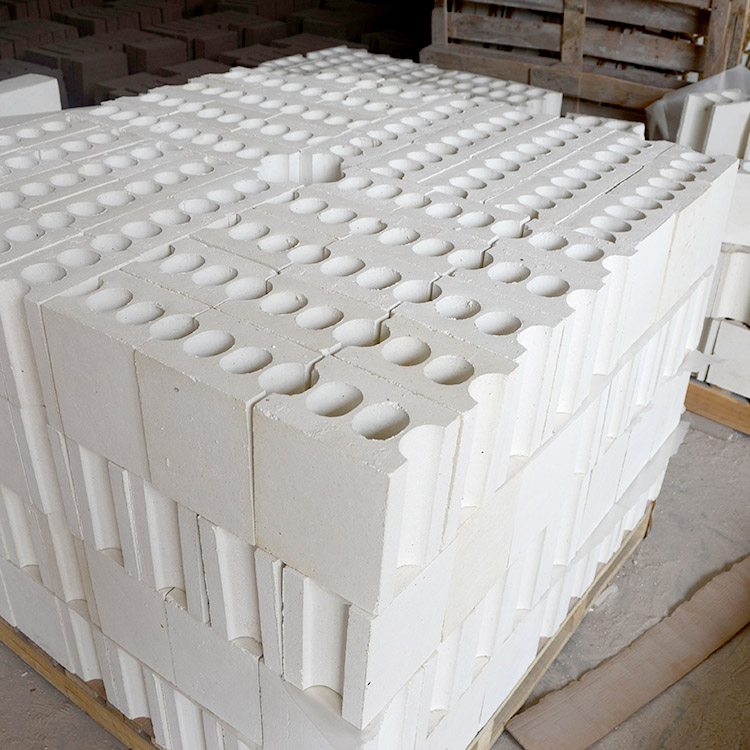
For decades, steelmakers relied on alumina-silica or corundum refractories that simply couldn't withstand modern charging zone demands. The Sunrise mullite-silicon carbide (SiC) solution represents a paradigm shift in refractory technology through three key innovations:
| Property | Traditional Alumina-Silica | Sunrise Mullite-SiC | Improvement |
|---|---|---|---|
| Apparent Porosity | 18-22% | 8-12% | ↓45% |
| Cold Crushing Strength | 60-80 MPa | 120-140 MPa | ↑80% |
| Thermal Shock Resistance (water quench cycles) | 15-25 cycles | 50-60 cycles | ↑140% |
| Abrasion Loss | 18-25 cm³ | 6-9 cm³ | ↓65% |
The secret lies in the multiphase microstructure of Sunrise's mullite-SiC bricks. The interlocking network of mullite crystals (Al₆Si₂O₁₃) provides exceptional thermal shock resistance, while the silicon carbide phase (SiC) delivers superior abrasion resistance. This combination creates a material that doesn't just survive in charging zones—it thrives.
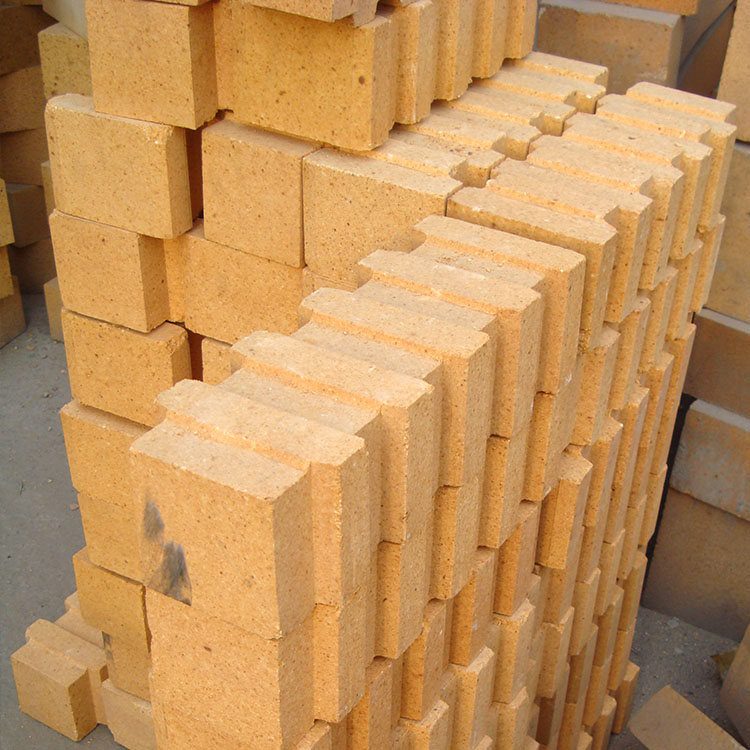
Selecting the right refractory brick isn't guesswork—it's a systematic process that matches material properties to your specific operating conditions. Follow this proven methodology to ensure optimal performance:
Document temperature profiles across your charging zone, noting peak temperatures (typically 1,500-1,650°C) and thermal cycling rates. This data determines the required refractoriness under load (RUL) and thermal shock parameters.
Estimate material impact energy based on charge weight, drop height, and frequency. For typical charging operations with 20-30 ton charges, a minimum abrasion resistance of 10 cm³ or less (ASTM C704) is recommended.
Laboratory analysis of your slag will determine the required chemical resistance. Basic slags (high CaO) require different material compositions than acidic slags (high SiO₂).
While premium refractories have higher upfront costs, they typically deliver 3-5x longer service life. Calculate lifecycle cost using this formula: (Material Cost + Installation Cost) ÷ Service Life (days).
Remember: The cheapest brick rarely provides the lowest total cost of ownership. A $200/brick solution that lasts 45 days costs more in the long run than a $450/brick solution that lasts 180 days.
Even the best refractory materials require proper maintenance to achieve their full potential. Implement these proven techniques to extend service life by an additional 25-35%:
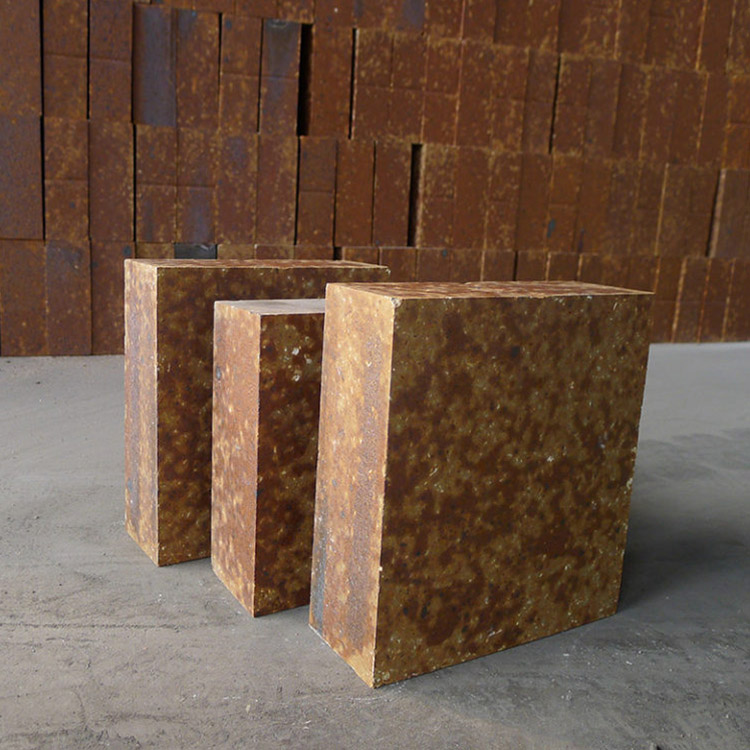
Global steelmakers trust Sunrise refractory solutions to reduce更换频率, lower maintenance costs, and improve operational reliability. Our mullite-silicon carbide bricks have been proven in over 200 steel plants worldwide, delivering an average service life extension of 300% compared to traditional materials.
Every steel plant faces unique refractory challenges. What specific issues have you encountered in your charging zone or coke quenching systems? Share your experiences and questions in the comments below—our technical team reads every comment and will provide personalized advice.