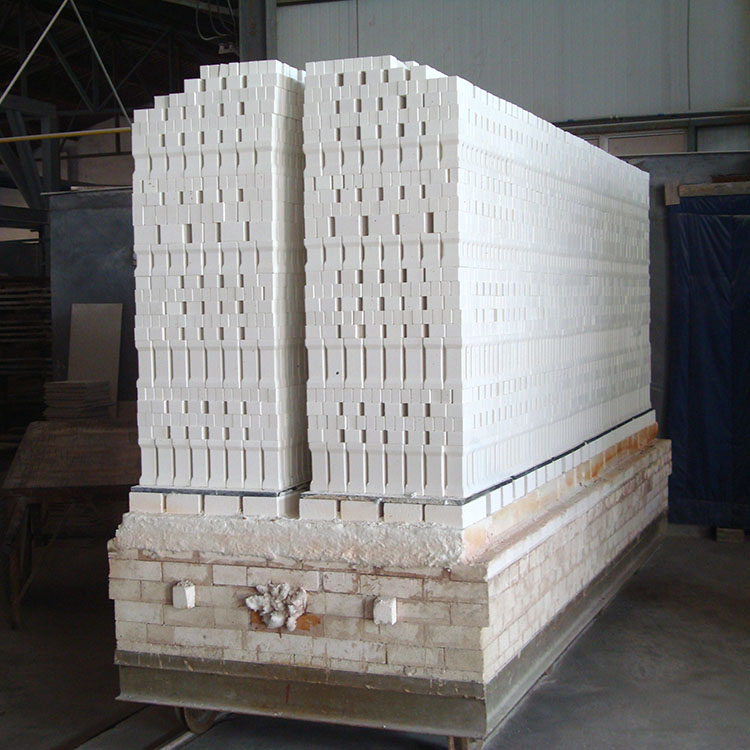
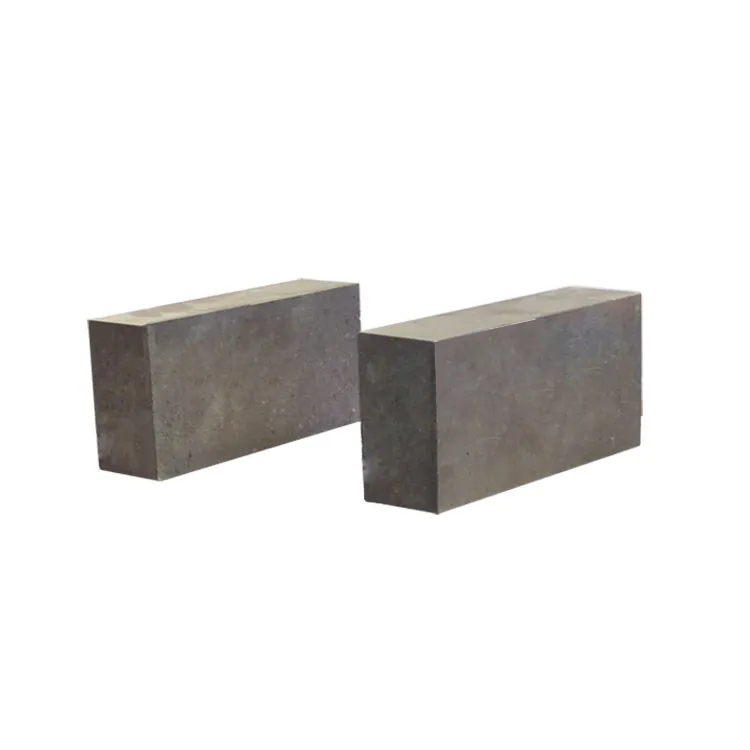
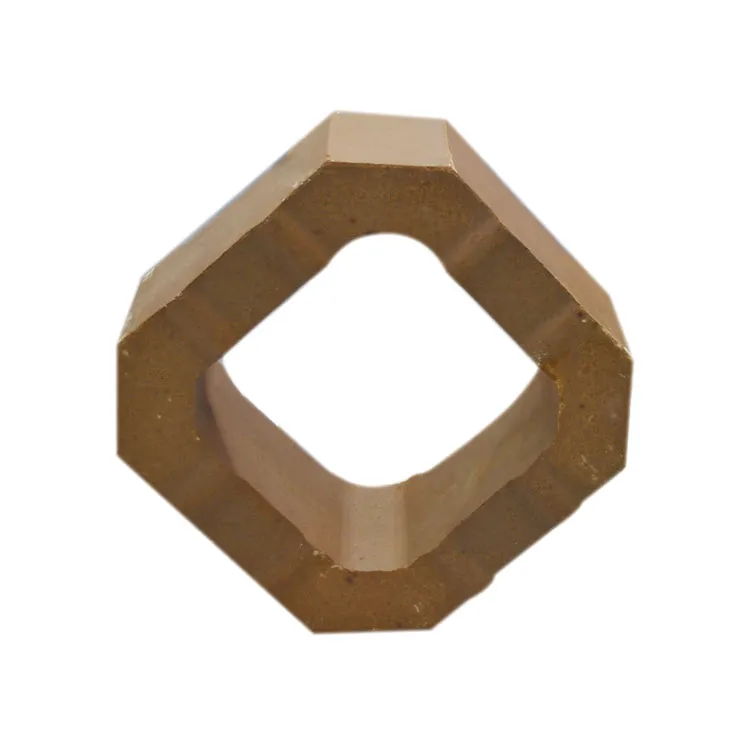
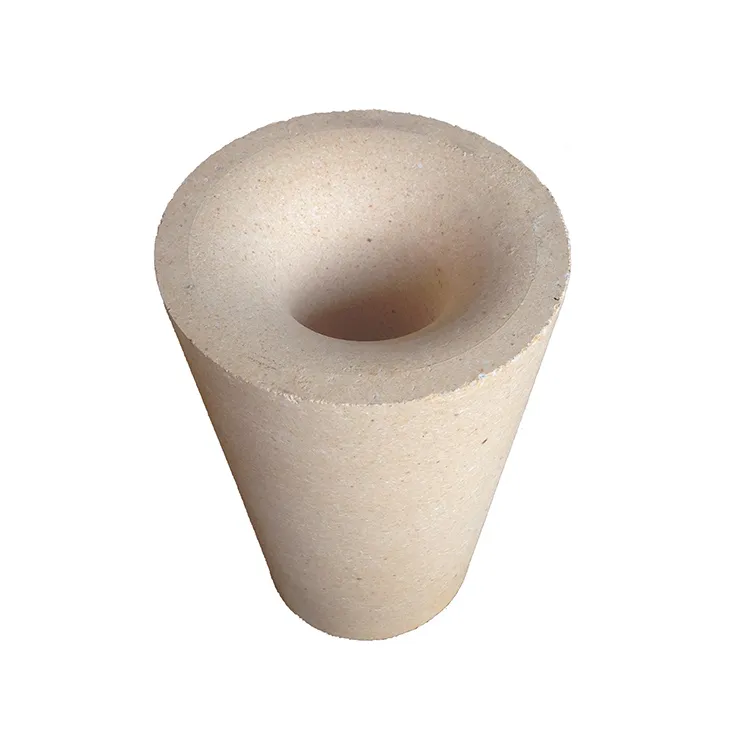
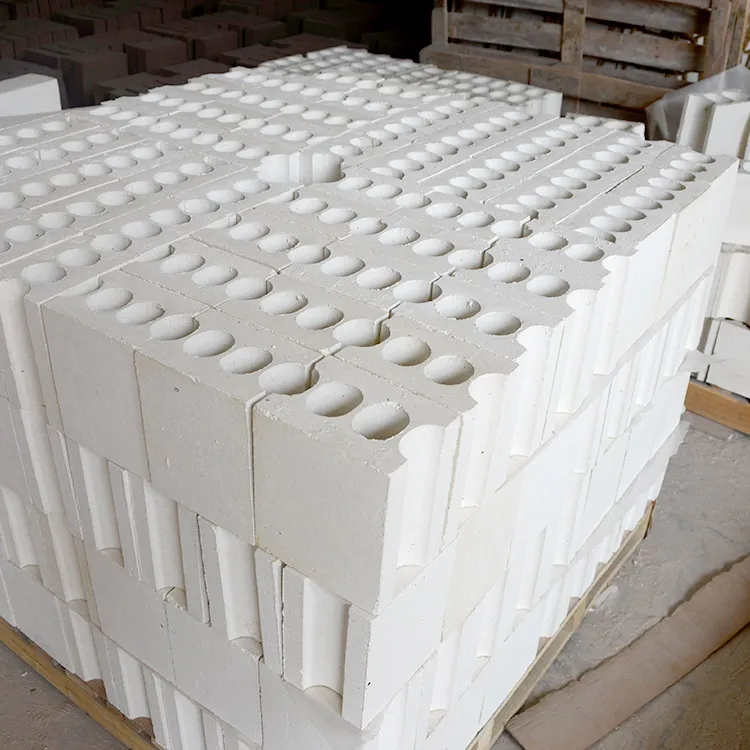
You're probably well aware of the challenges in the high - temperature environment of dry quenching systems. The refractory bricks often crack during the alternating hot and cold cycles, but do you know how to choose the right ones to avoid such issues?
In the dry quenching process, you're faced with extreme temperature differentials. This can cause significant thermal stress on the refractory bricks, leading to cracks and spalling. Many users, however, are often in the dark about these potential problems during the brick selection process, which is a major pain point and maintenance blind - spot.
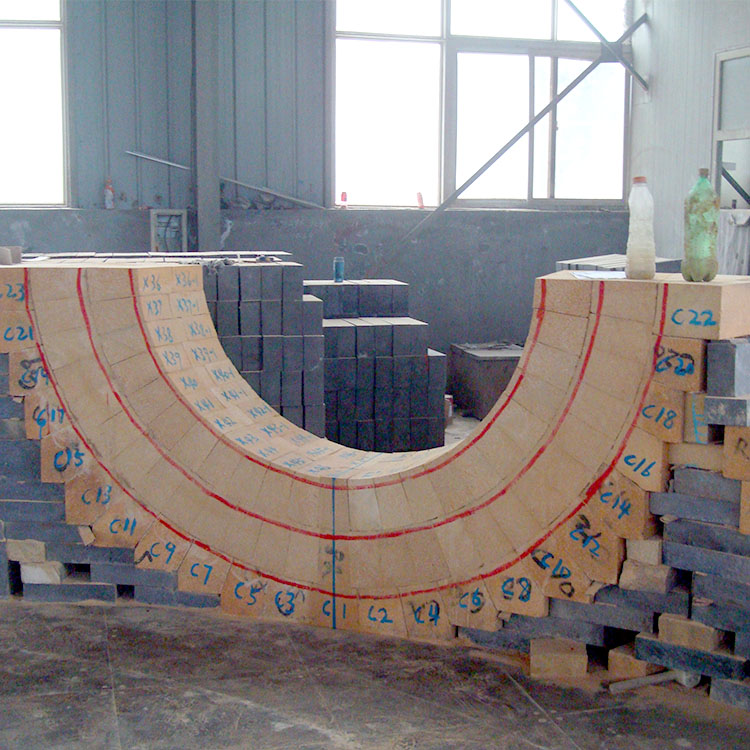
To accurately evaluate the thermal shock resistance of refractory bricks, there are two key aspects you need to consider: laboratory tests and on - site verification. Laboratory tests, such as the ΔT = 850°C water - cooling test, provide a standardized way to measure the brick's ability to withstand sudden temperature changes. In the test, if a brick can endure 20 cycles of such cooling without significant cracking, it indicates relatively good thermal shock resistance. But the laboratory results may not fully reflect the real - world situation.
On - site verification is equally crucial. You can collect data on crack propagation rate and spalling area during the actual operation of the dry quenching system. For example, if the crack propagation rate exceeds 2mm per month, it might be a sign that the current bricks are not suitable for this high - stress environment.
One of the most common mistakes you might make is relying solely on the refractory bricks' load - softening temperature. This often leads to frequent failures. For instance, in some dry quenching systems, bricks with high load - softening temperatures couldn't withstand the thermal shock and failed prematurely. A proper evaluation of thermal shock indicators is essential, but many overlook it.
"In my long - term practice, I've seen that neglecting thermal shock resistance can cause production interruptions. It's a costly mistake that can be easily avoided if the right evaluation methods are used." - An experienced engineer
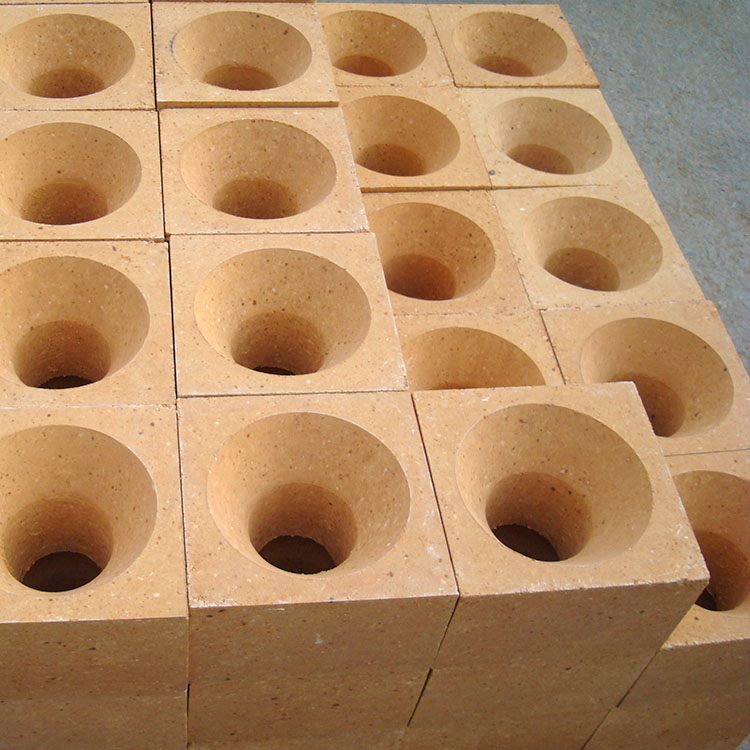
Engineers on the front line have come up with a practical solution - infrared thermography. This technology can be used to detect early signs of thermal shock damage. By regularly scanning the refractory lining with an infrared camera, you can identify areas of local overheating, which are often precursors to cracking and spalling. If a temperature difference of more than 50°C is detected between adjacent areas, it's a warning sign that requires immediate attention.
You've been relying on passive maintenance, waiting for problems to occur and then taking action. But by implementing active maintenance strategies like using infrared thermography and scientifically evaluating brick performance, you can save a lot of time and money. After all, "choosing the right bricks means saving the losses caused by furnace shutdowns" and "early intervention means extending the service life of the lining."
Are you still struggling with selecting the right refractory bricks? Do you have any questions about measurement methods or maintenance strategies? Leave your inquiries in the comments below. We're here to help you make the best decisions for your high - temperature kilns. Click here to get more in - depth information on scientifically selecting thermal shock - resistant refractory bricks, and take the first step towards efficient and cost - effective operations!