Industry Insight: In steelmaking and coking plants, charge area refractories typically account for 18-22% of total refractory maintenance costs while directly influencing production downtime by 35-40% when failures occur. Selecting the right material can extend service life by 2-3 times compared to conventional options.
Steelmaking and coking plant charge areas represent some of the most demanding environments for refractory materials. These zones face simultaneous thermal, mechanical, and chemical stresses that challenge even the most advanced refractory solutions.
Traditional refractory materials often fail prematurely under these conditions. A recent industry study across 37 steel plants showed that alumina-silica bricks in charge areas typically require replacement every 3-6 months, while high-alumina options last 6-9 months under similar operating conditions.
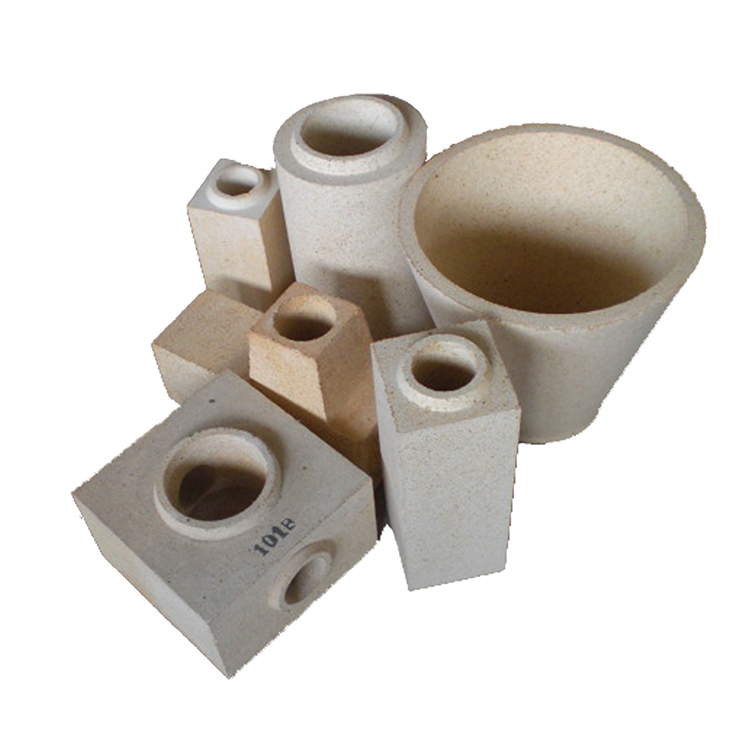
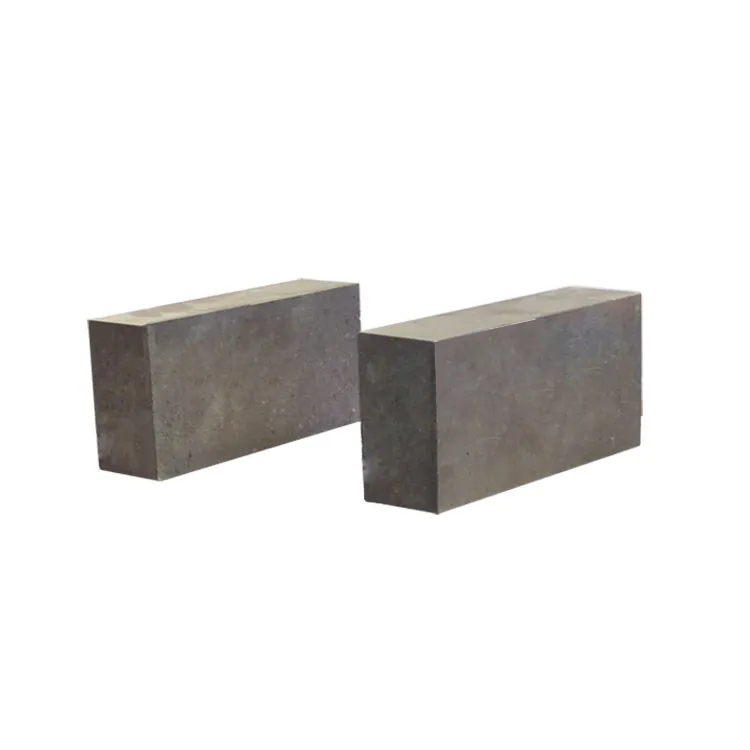
Mullite-silicon carbide (SiC) refractories represent a technological advancement in high-performance refractory solutions. Their unique microstructure combines the best properties of both components to create a material specifically engineered for extreme thermal shock and abrasion resistance.
The composite structure of Sunrise mullite-SiC refractories features needle-like mullite crystals interlocked within a silicon carbide matrix. This configuration provides exceptional mechanical strength (modulus of rupture exceeding 40 MPa at room temperature) while maintaining flexibility to withstand thermal expansion differences.
| Property | Mullite-SiC | High-Alumina | Fireclay |
|---|---|---|---|
| Thermal Shock Resistance (cycles) | >100 | 30-50 | 15-25 |
| Abrasion Resistance (cm³ loss) | 1.2-1.8 | 3.5-4.2 | 5.8-6.5 |
| Max Service Temp (°C) | 1700 | 1600 | 1450 |
In independent testing conducted at the China Iron and Steel Research Institute, Sunrise mullite-SiC refractories demonstrated 2.3 times better thermal shock resistance compared to standard high-alumina bricks when subjected to 1000°C temperature cycles. This translates directly to extended service life in charge areas.
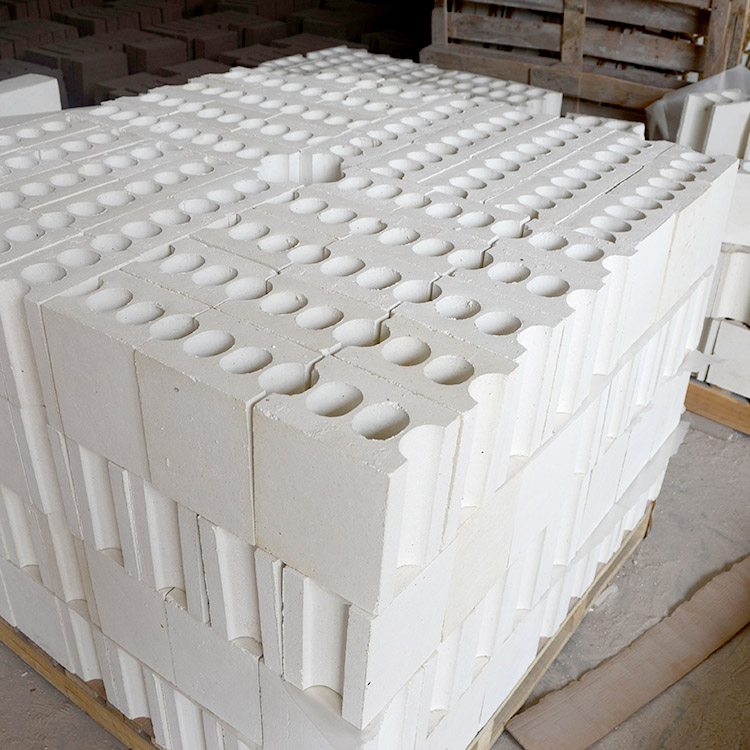
Selecting the optimal mullite-SiC refractory requires a methodical assessment of specific operating conditions rather than relying on generic recommendations. The following step-by-step process ensures the right material choice for your unique application.
When applying this framework, one European steel mill specializing in special alloys was able to reduce charge area refractory maintenance costs by 42% after switching to the appropriate grade of Sunrise mullite-SiC refractories, while extending service intervals from 4 to 11 months.
While each application has unique requirements, certain critical parameters should guide your selection process:
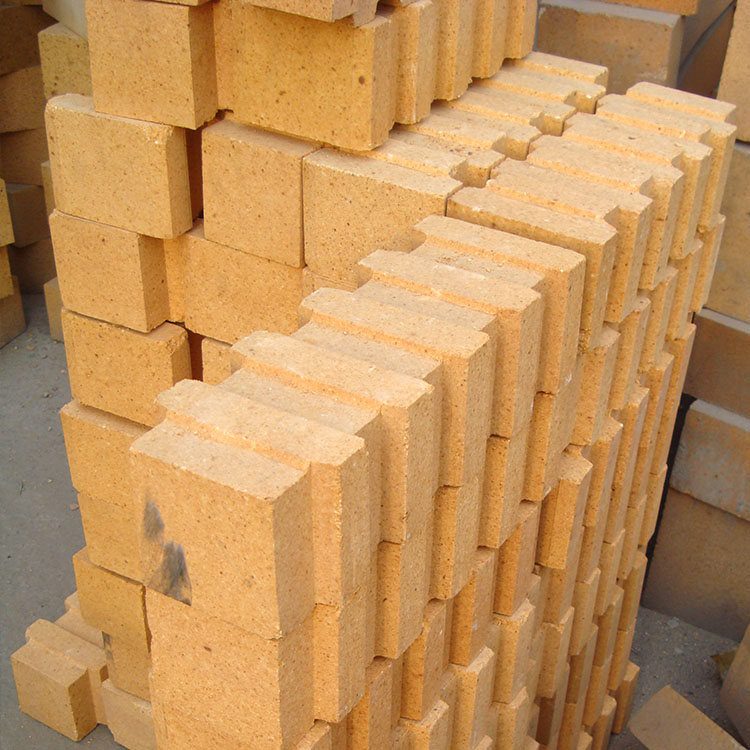
Even the highest quality refractories require proper maintenance to achieve optimal service life. Implementing a structured maintenance program can extend material longevity by 30-40% while reducing unexpected failures.
Regular inspection and monitoring form the foundation of effective refractory maintenance. Implement these practices:
Implement these proactive measures to maximize refractory life:
A major coking plant in northern China was experiencing frequent refractory failures in their coke quenching槽, with average service life of only 4 months. This resulted in unplanned downtime averaging 72 hours annually and maintenance costs exceeding $180,000 per year.
After conducting a thorough analysis of operating conditions, the plant switched to Sunrise mullite-SiC refractories with 30% SiC content. The results were dramatic:
The plant manager noted, "The switch to Sunrise mullite-SiC refractories has been one of our most successful process improvements in recent years. The reliability improvement alone has justified the investment."
Our team of refractory specialists can conduct a free on-site assessment of your operating conditions and provide customized recommendations to maximize your refractory performance and reduce maintenance costs.
Get Your Custom Refractory SolutionUnder proper operating conditions and maintenance, mullite-SiC refractories typically achieve service lives of 9-18 months in steelmaking charge areas, compared to 3-9 months for conventional materials.
Rapid temperature changes cause thermal expansion and contraction, creating internal stresses that lead to cracking. Mullite-SiC's unique microstructure allows greater flexibility, significantly reducing this damage mechanism.
Yes, Sunrise mullite-SiC refractories are available in standard sizes that match conventional refractory bricks, allowing for direct replacement in most existing installations with minimal modifications.
Our technical team is available to answer your questions about refractory selection, installation, or maintenance. Share your challenges, and we'll provide expert guidance tailored to your operation.