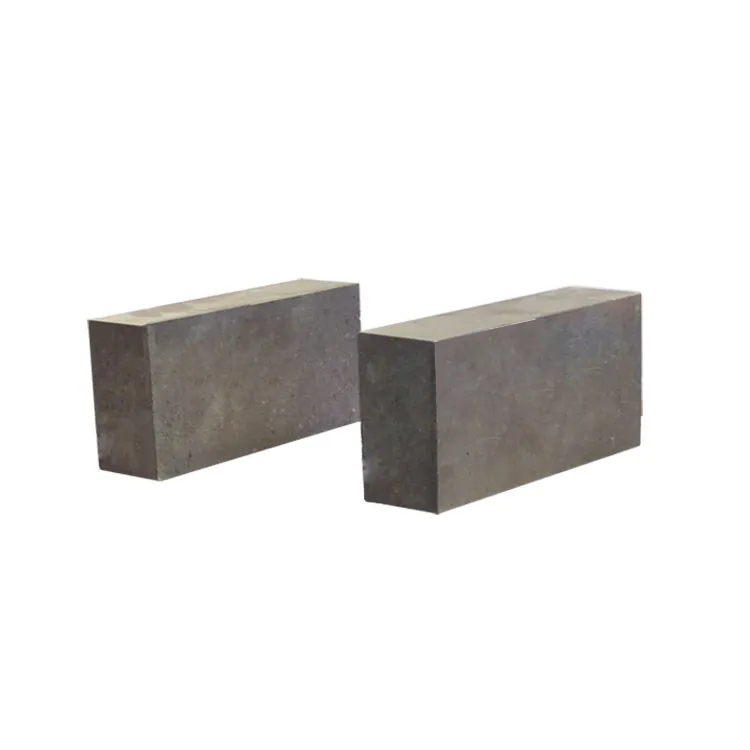
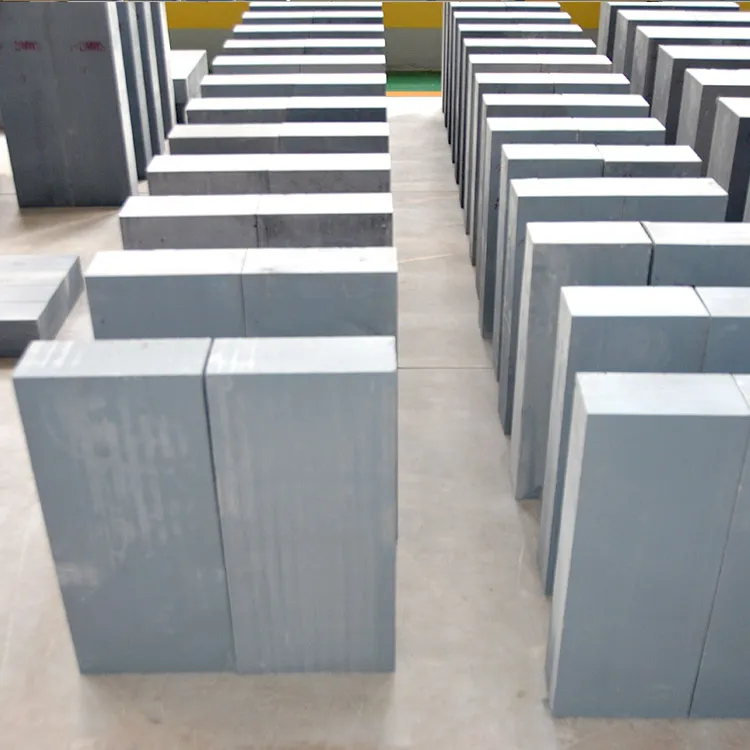
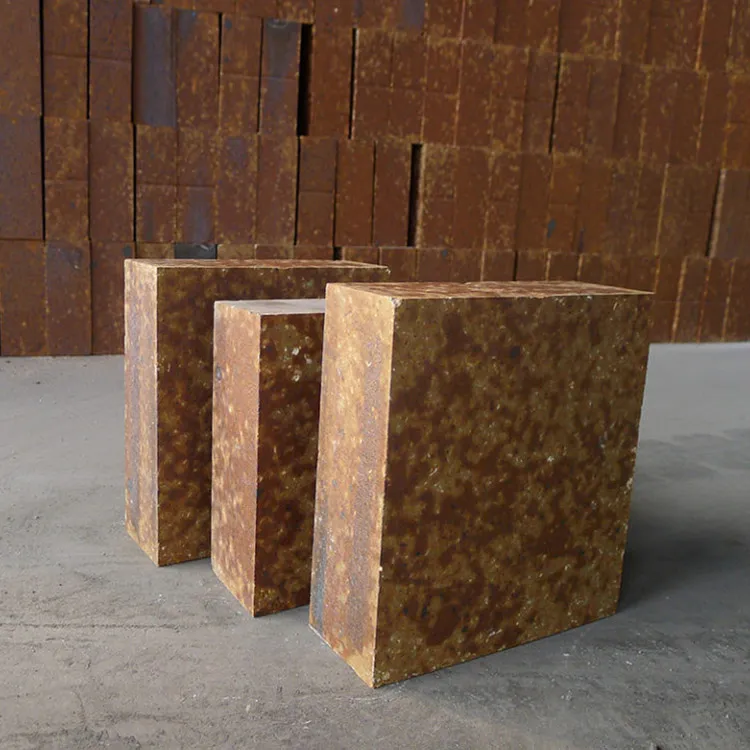
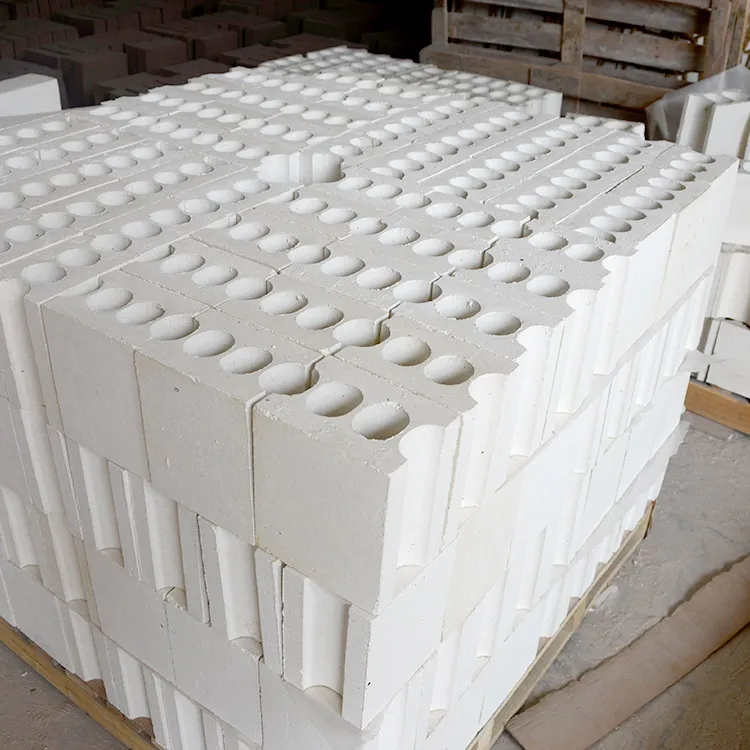
For metallurgical operations, furnace lining performance directly impacts production efficiency, safety, and operational costs. Industry data shows that approximately 42% of unplanned shutdowns in metallurgical plants are related to furnace lining failures, resulting in average losses of $150,000 to $800,000 per incident depending on furnace size and production capacity. Among various refractory solutions, silicon nitride bonded silicon carbide (Si₃N₄-SiC) bricks have emerged as a game-changer, offering exceptional thermal shock resistance and wear properties that can extend furnace life by 30-50% when properly installed and maintained.
The critical importance of substrate preparation is often underestimated in furnace construction projects. A properly prepared substrate ensures uniform load distribution and prevents stress concentration points that typically lead to premature failure. According to Sunrise's field engineering team with over 15 years of experience, inadequate substrate preparation accounts for nearly 35% of all Si₃N₄-SiC brick installation failures.
Environmental control during preparation is equally crucial. Relative humidity should be maintained between 40-60% to prevent rapid moisture loss from mortar materials. Temperature fluctuations during this phase should not exceed ±5°C within any 4-hour period to avoid thermal stress on the substrate material.
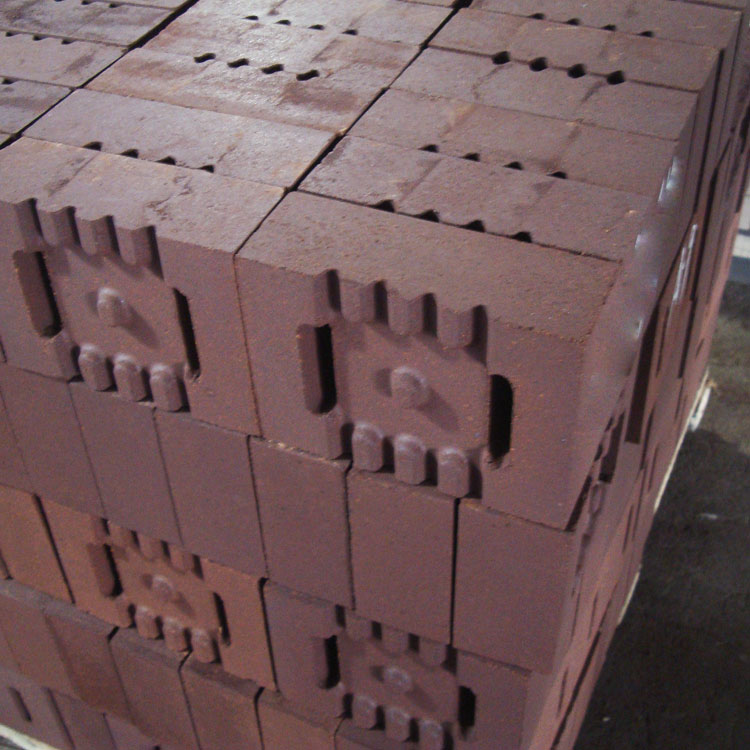
The transition from preparation to actual brick installation represents a critical control point where precision directly translates to performance. The tolerance for brick alignment in high-temperature zones should be maintained within ±0.5mm, as even minor misalignments can create thermal stress points during temperature cycling.
| Parameter | Specification | Inspection Method |
|---|---|---|
| Joint Thickness | 2-3mm (consistent throughout) | Feeler gauge verification |
| Verticality | ≤1mm per meter height | Plumb line and laser level |
| Horizontal Alignment | ≤0.5mm per meter length | Straightedge and feeler gauge |
| Mortar Coverage | ≥95% of brick surface area | Visual inspection and adhesion testing |
Joint sealing technology represents another critical aspect of the installation process. The dual-component refractory mortar system should be mixed at a precise 3:1 ratio and applied within 20 minutes of preparation to ensure optimal curing properties. During application, a minimum pressure of 0.3 MPa should be maintained to eliminate voids that can lead to molten metal penetration during furnace operation.
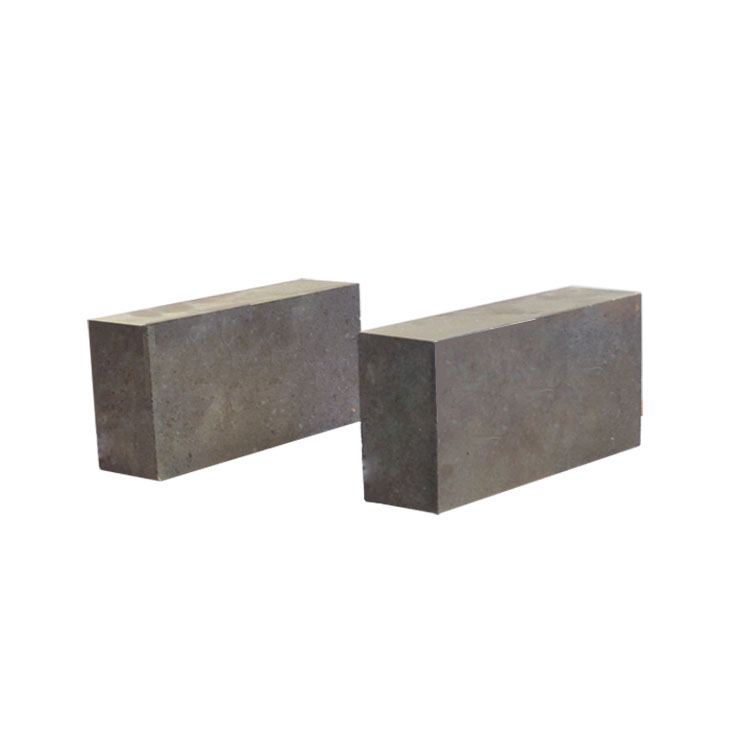
The baking process following installation is perhaps the most misunderstood aspect of Si₃N₄-SiC brick application. Improper temperature ramp rates can cause catastrophic failure, with thermal shock being responsible for approximately 60% of early-stage lining problems. The ideal baking curve should follow a carefully engineered profile:
Each phase addresses specific material transformation requirements, with the 600-1000°C range being particularly critical for developing the optimal crystalline structure in the silicon nitride bonding phase. Abbreviating any phase or exceeding recommended ramp rates significantly increases the risk of micro-cracking and reduced service life.
Establishing a systematic maintenance program can extend Si₃N₄-SiC brick service life by an additional 25-40% while reducing unexpected downtime. A comprehensive inspection protocol should include both visual and non-destructive testing methods performed at regular intervals.
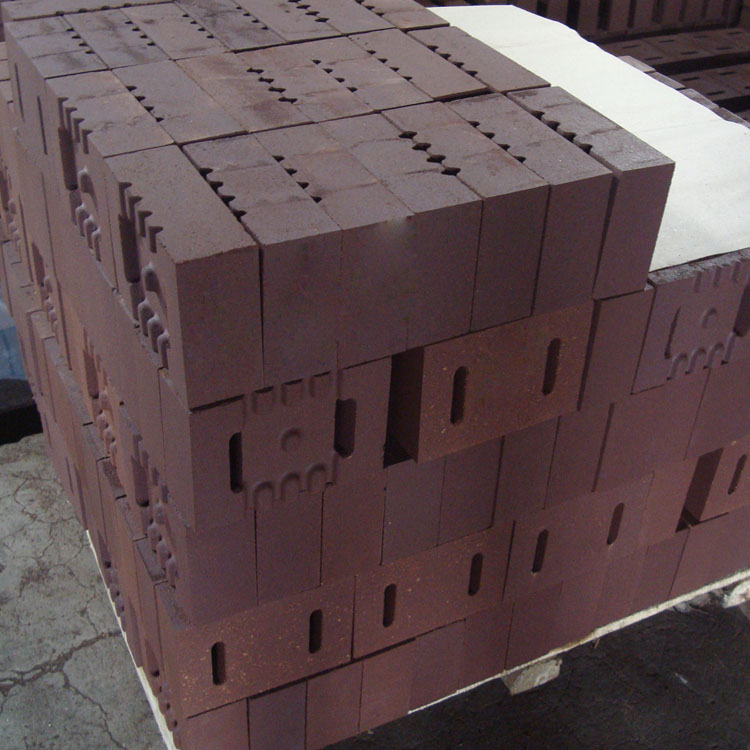
Early identification and classification of lining damage is essential for implementing appropriate repair strategies. Three primary damage modes affect Si₃N₄-SiC brick linings:
Characterized by flaking or chipping of surface layers, typically caused by thermal cycling. When spalling exceeds 10mm depth or covers more than 5% of a brick surface area, targeted repair is recommended using high-alumina repair mortars.
Manifested as gradual thinning of brick surfaces, particularly in areas subject to gas or molten material flow. When wear reduces brick thickness by 30% or more, proactive replacement should be scheduled during planned maintenance outages.
Identified by discoloration, softening, or unusual surface textures resulting from chemical reactions with furnace atmosphere or process materials. Chemical attack requires immediate analysis to determine root cause and may necessitate material grade adjustments for replacement bricks.
A major European steel producer was experiencing premature failure of their electric arc furnace sidewall lining, with an average service life of only 350 heats. After implementing Sunrise's Si₃N₄-SiC brick installation and maintenance protocols, including precise baking curves and weekly thermal imaging inspections, they achieved a service life of 520 heats – a 48% improvement. This translated to annual savings of approximately €280,000 in maintenance costs and reduced downtime.
The key factors contributing to this success included严格控制的砌筑精度(严格控制的砌筑精度), implementation of the scientifically developed baking curve, and proactive repair of minor spalling before it propagated into major failures.
An effective maintenance program should document all inspection findings, repairs performed, and performance trends. This documentation creates a valuable knowledge base that can be used to optimize maintenance intervals and predict future lining performance. Key elements of a successful program include:
Download our comprehensive Silicon Nitride Bonded Silicon Carbide Brick Application Guide and discover how Sunrise's technical expertise can help you achieve optimal furnace lining performance and extended service life.
Access Your Free Technical Guide NowThe successful application of silicon nitride bonded silicon carbide bricks requires a holistic approach that combines meticulous installation techniques with proactive maintenance practices. By implementing the engineering principles and practical insights outlined in this guide, metallurgical operations can significantly enhance furnace reliability, reduce maintenance costs, and improve overall production efficiency. Remember that each furnace presents unique challenges, and consulting with refractory specialists like Sunrise can provide tailored solutions for your specific operating conditions.