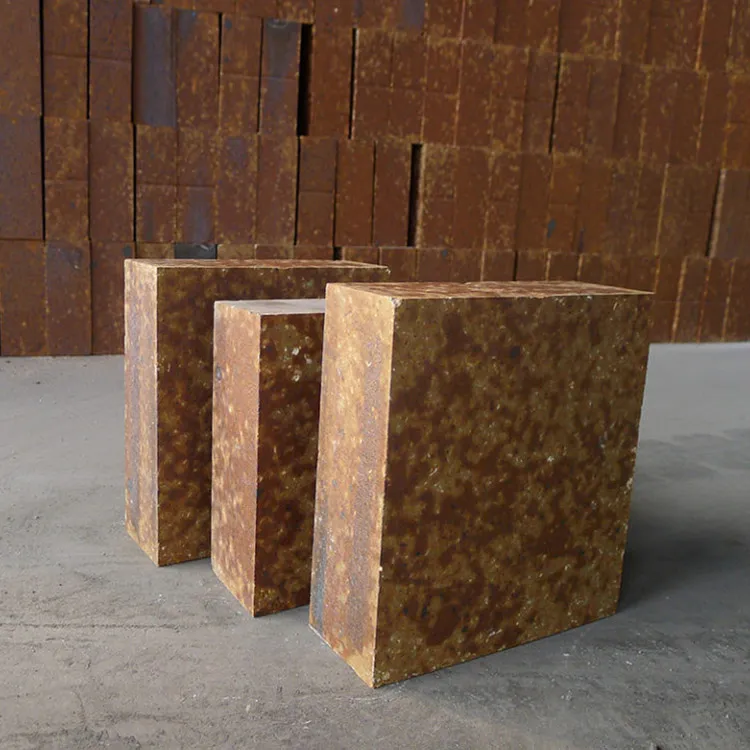
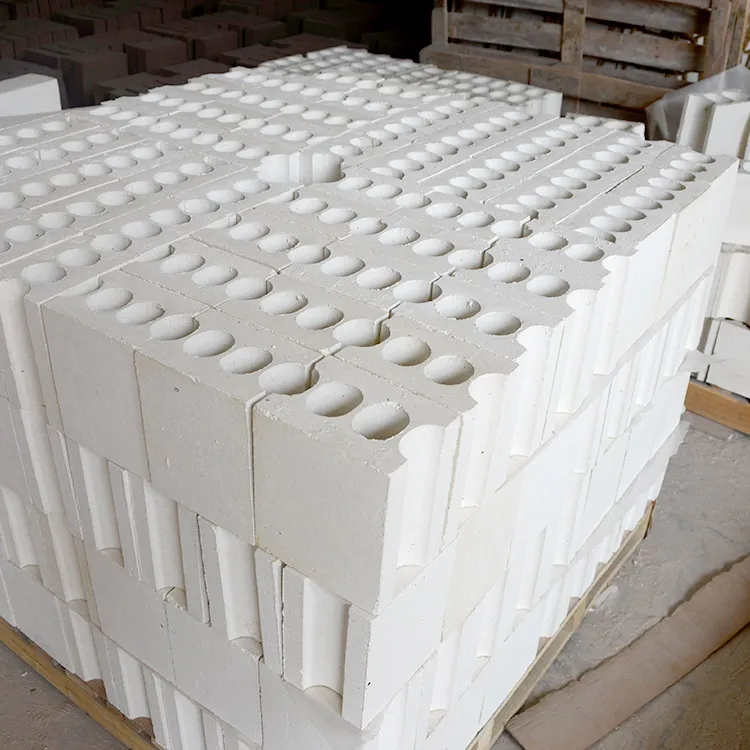
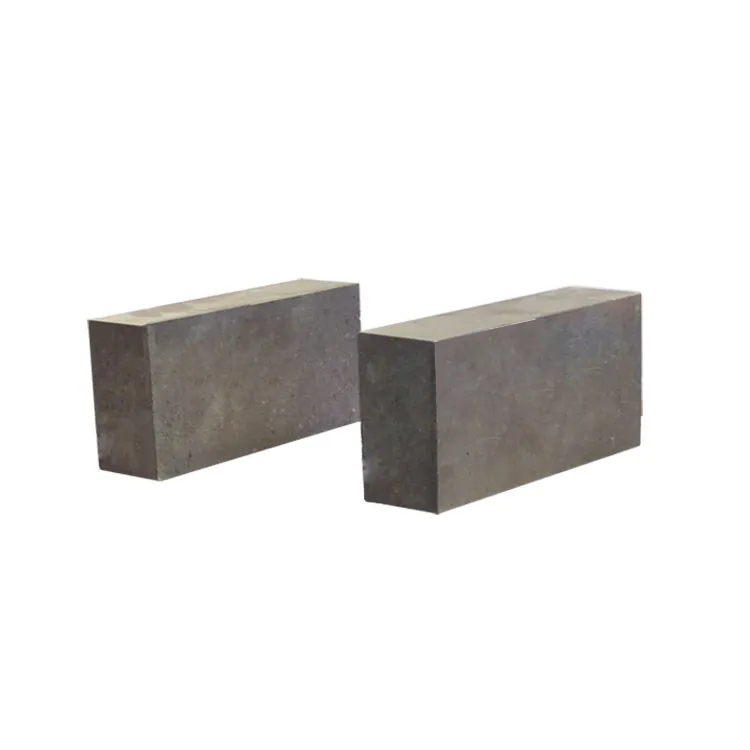
In the demanding environment of steel and non-ferrous metal smelting, furnace linings face relentless challenges from extreme temperatures exceeding 1600°C, corrosive slags, and mechanical stress. According to industry research, approximately 42% of furnace downtime incidents can be directly attributed to lining material failures, resulting in average production losses of $1.2 million per incident for medium-sized smelters.
Among the various refractory solutions available, silicon nitride bonded silicon carbide (Si₃N₄-SiC) bricks have emerged as a game-changing technology for critical furnace zones. Sunrise has been at the forefront of developing these advanced refractory solutions, helping metallurgical plants worldwide achieve up to 35% longer lining service life compared to traditional materials.
The superior performance of silicon nitride bonded silicon carbide bricks stems from their unique microstructure. These advanced refractories combine the high thermal conductivity of silicon carbide (SiC) with the excellent bonding properties of silicon nitride (Si₃N₄), creating a material with exceptional structural integrity under extreme conditions.
Key microstructural features include:
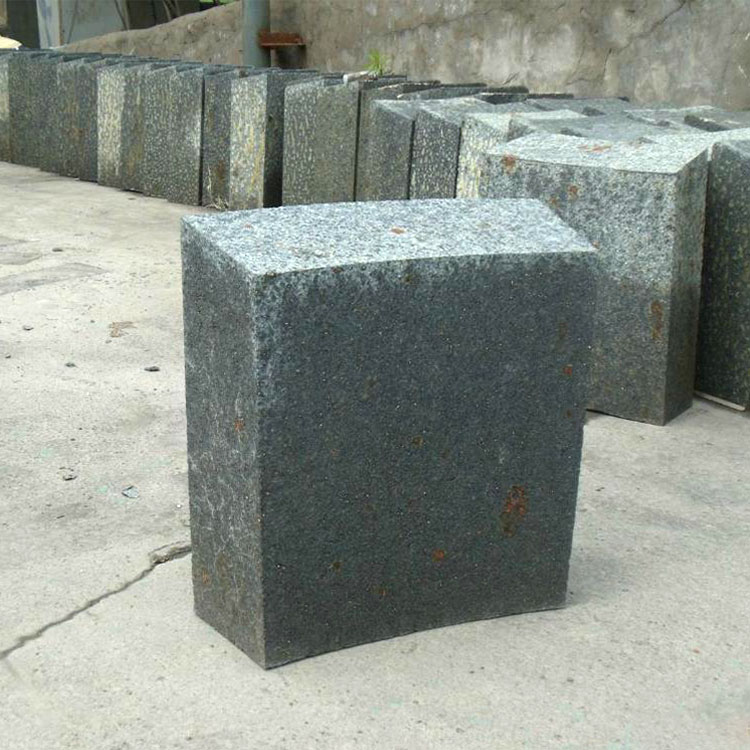
One of the most remarkable properties of Si₃N₄-SiC bricks is their ability to form a protective surface layer when exposed to molten slags and high temperatures. This dynamic protection mechanism acts as a "self-healing barrier" that significantly reduces further material degradation.
In alkaline slag environments (common in steelmaking), the silicon nitride phase reacts to form a dense silicate layer that inhibits further penetration. Laboratory tests show this can reduce corrosion rates by up to 67% compared to conventional alumina-silica refractories. In acidic slag conditions, the high SiC content provides superior resistance, with erosion rates measured at 0.3-0.5 mm per 100 hours of operation in typical copper smelting environments.
| Application Area | Traditional Material | Si₃N₄-SiC Bricks | Performance Improvement |
|---|---|---|---|
| Blast Furnace Lower Zone | High-alumina bricks | Sunrise Si₃N₄-SiC bricks | 35-40% longer service life |
| Copper Smelting Bath | Magnesia-chrome bricks | Sunrise Si₃N₄-SiC bricks | 50% reduction in corrosion rate |
| Aluminum Reduction Cells | Carbon blocks | Sunrise Si₃N₄-SiC bricks | 25-30% extended campaign life |
Selecting the optimal refractory material requires careful consideration of multiple operational parameters. Technical engineers should evaluate:
Early identification of potential failure modes is crucial for maximizing lining life. Common failure indicators include spalling due to thermal shock, chemical corrosion manifesting as surface pitting, and structural weakening from prolonged exposure to reducing atmospheres.
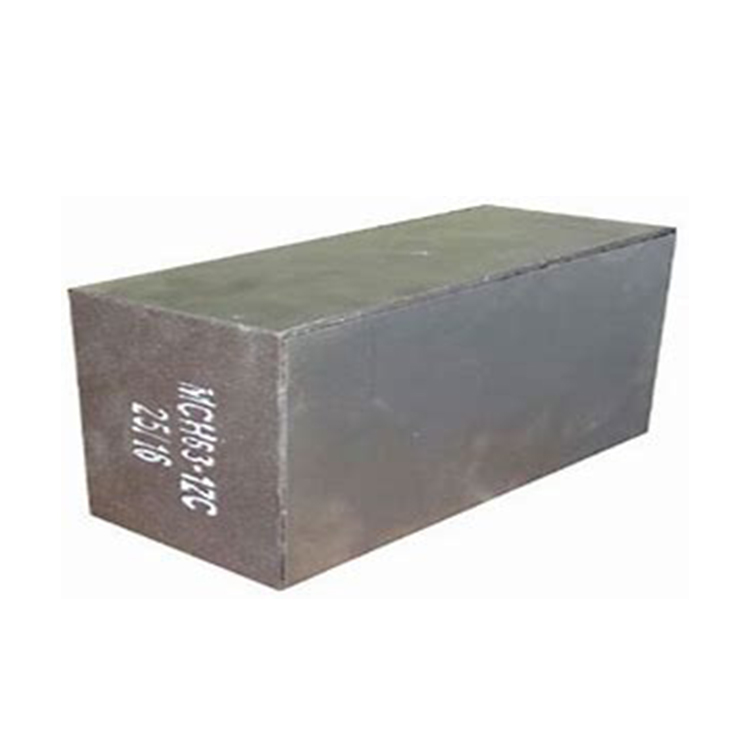
Download our comprehensive technical guide to learn how Sunrise silicon nitride bonded silicon carbide bricks can reduce maintenance costs and extend furnace campaign life in your specific metallurgical processes.
Access the Complete Si₃N₄-SiC Brick Selection ManualA leading steel producer in the European Union recently upgraded their blast furnace bosh and lower stack regions with Sunrise silicon nitride bonded silicon carbide bricks. The results were impressive: campaign life increased from an average of 18 months to 25 months, representing a 39% improvement. Maintenance costs decreased by approximately €240,000 annually, while production efficiency improved by 4.2% due to reduced downtime.
Plant metallurgists reported significantly reduced slag penetration and improved structural integrity during post-campaign inspections. The plant has since standardized on Sunrise Si₃N₄-SiC bricks for all new furnace relining projects.
Sunrise silicon nitride bonded silicon carbide bricks meet or exceed all relevant international standards, including ISO 10893, ASTM C813, and DIN 51061. Our manufacturing processes are certified under ISO 9001:2015 quality management system, ensuring consistent product performance and reliability.