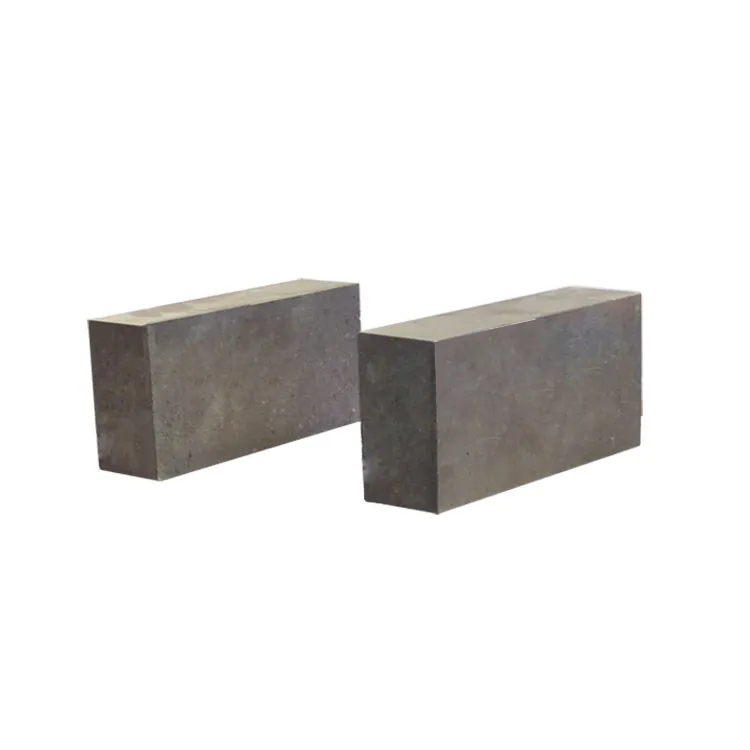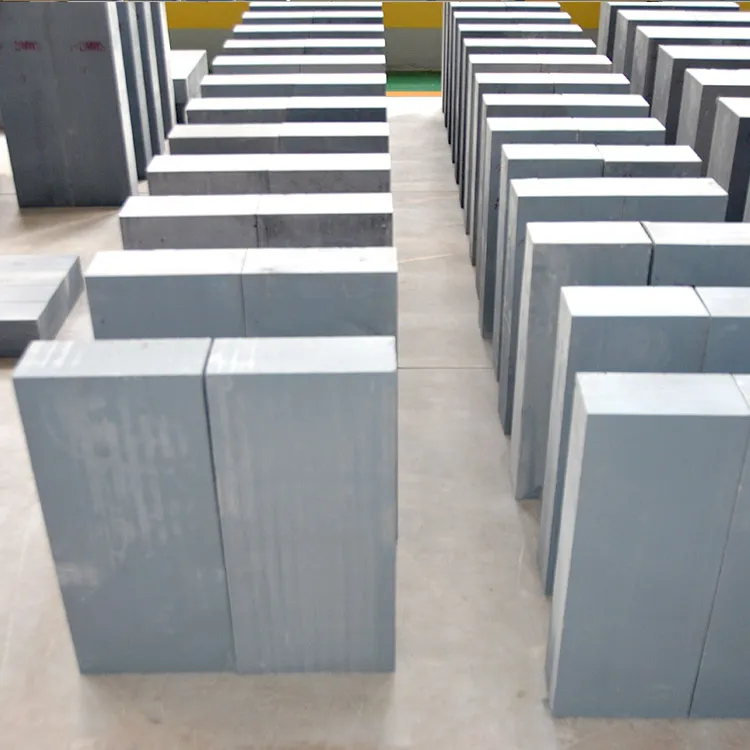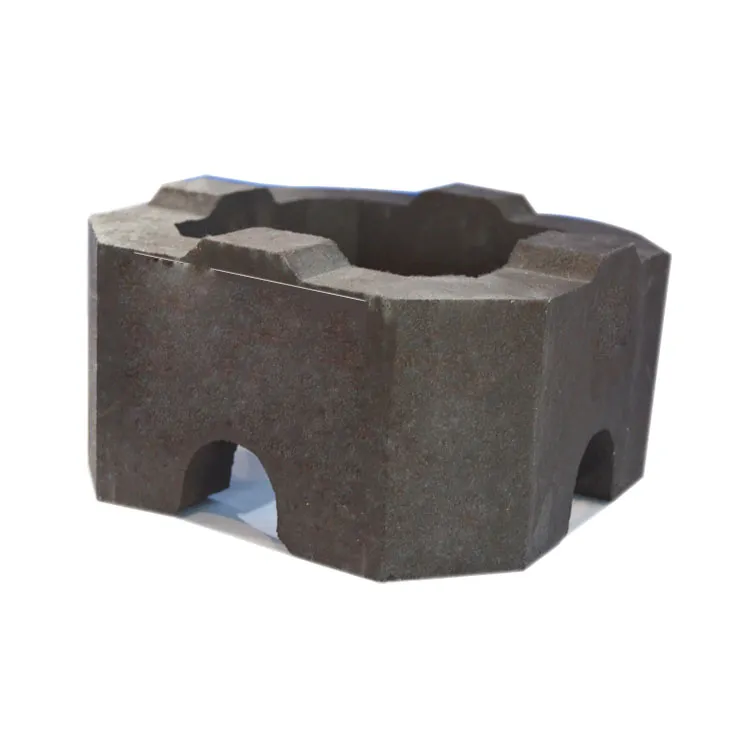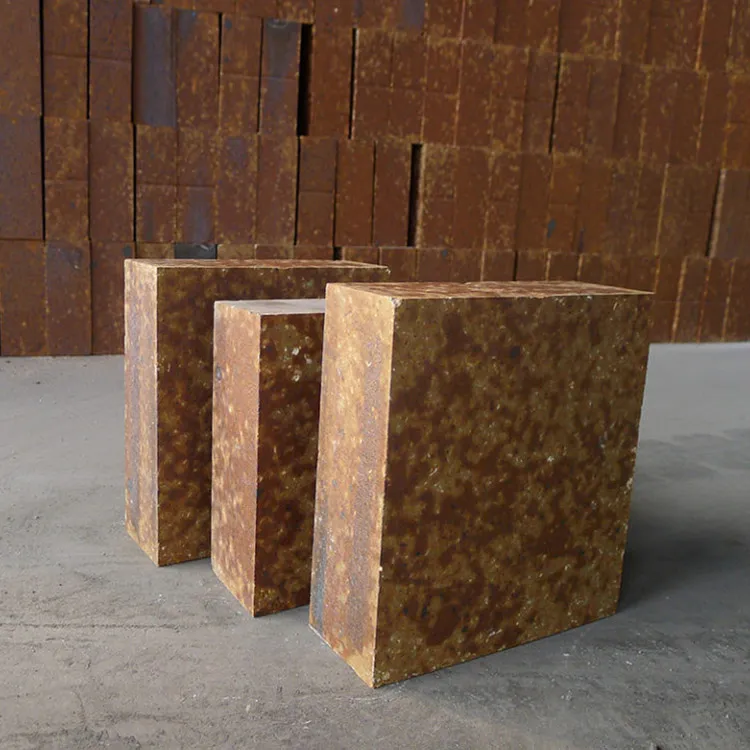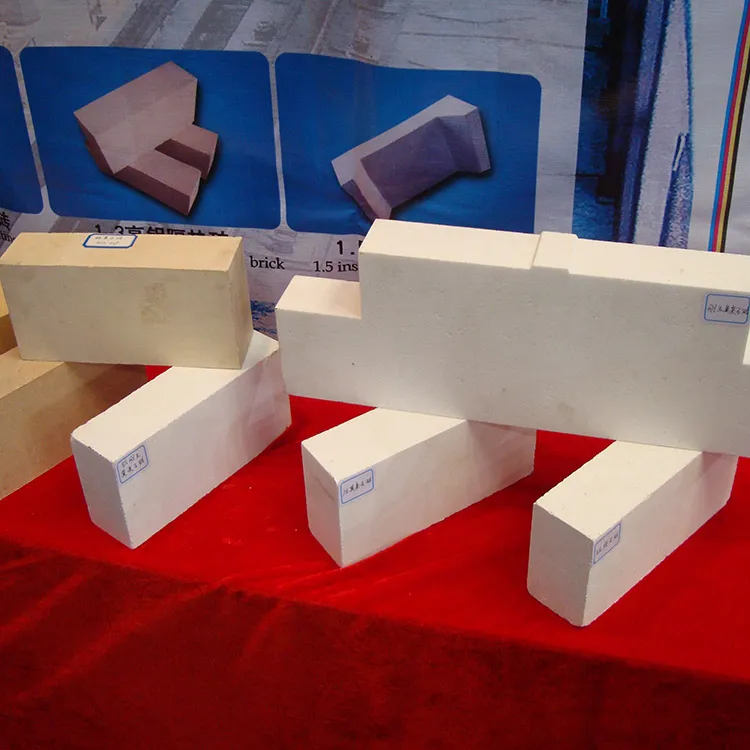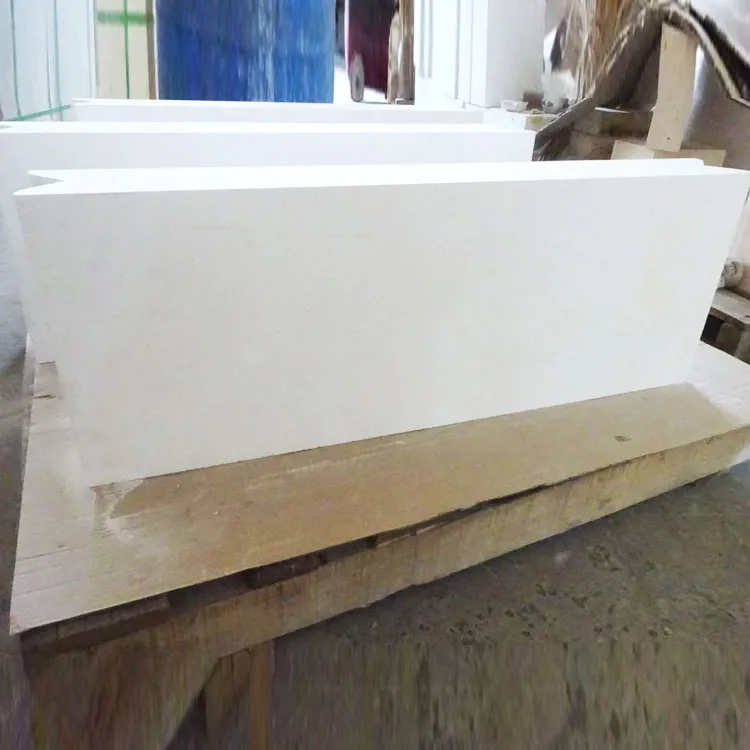
In the demanding environment of metallurgical operations, where temperatures often exceed 1600°C and chemical corrosion is a constant threat, the performance of refractory linings directly impacts production efficiency and safety. Among modern refractory solutions, silicon nitride bonded silicon carbide (Si₃N₄-bonded SiC) bricks have emerged as a critical material for extending furnace service life—when properly installed and maintained. This comprehensive guide explores the technical nuances of working with these advanced refractory components, drawing on industry best practices and engineering insights to help metallurgical professionals maximize their investment.
According to data from the Refractory Ceramic Fiber Association, improper installation and maintenance account for approximately 42% of premature refractory failures in metallurgical applications. A typical steel mill can incur losses exceeding $250,000 per unplanned furnace shutdown, not including the indirect costs of production delays and missed delivery deadlines. These statistics underscore why mastering the installation and maintenance of Si₃N₄-bonded SiC bricks has become a strategic priority for plant engineers worldwide.
Surface preparation is often overlooked yet remains the most critical step in ensuring proper brick adhesion and performance. The substrate must be thoroughly cleaned of all debris, residual slag, and previous refractory material. Industry standards recommend a surface roughness of 50-80 microns for optimal mortar bonding.
"Substrate irregularities greater than 3mm can create stress concentration points that accelerate brick failure under thermal cycling," notes Dr. Hiroshi Tanaka, refractory materials specialist at the Japan Refractory Association. "Laser profiling before installation has reduced our clients' early-stage failures by 37%."
Sunrise recommends using high-pressure water jetting (minimum 3000 psi) followed by compressed air cleaning to ensure a contamination-free surface. For damaged substrates, epoxy-based repair compounds specifically formulated for high-temperature applications should be applied and cured according to manufacturer specifications before proceeding with brick installation.
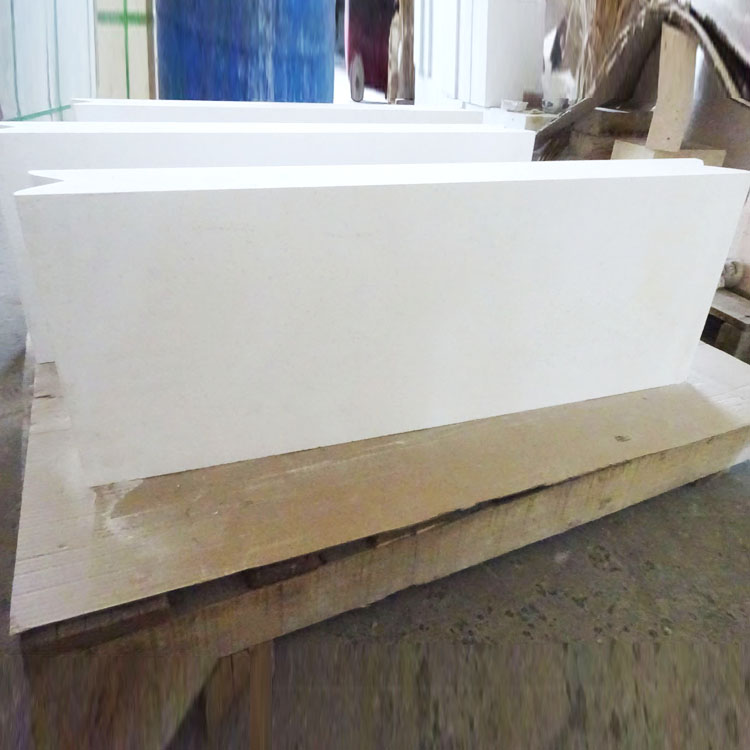
Si₃N₄-bonded SiC bricks require tighter tolerances than traditional refractory materials due to their low thermal expansion characteristics. The installation should maintain joint thickness between 1.5-2.5mm, with linear deviations not exceeding ±1mm per meter of length.
Specialized tools including laser levels, digital calipers, and custom alignment jigs are essential for maintaining precision. Brick should be laid in a staggered pattern to enhance structural integrity, with each course checked for levelness and plumb before proceeding. Mortar application should be uniform, with excess material removed immediately to prevent uneven heating during furnace startup.
Proper joint sealing is critical for preventing molten metal and slag infiltration, which accounts for approximately 63% of brick degradation in primary steelmaking applications. The selection of appropriate joint compounds depends on operating temperature, chemical environment, and thermal cycling frequency.
For temperatures exceeding 1500°C, Sunrise recommends using its proprietary silicon nitride-based joint sealant, which maintains flexibility under thermal cycling while providing superior chemical resistance. Application should be performed with a specialized caulking gun to ensure complete filling of joints, followed by tooling to create a smooth, uniform surface.
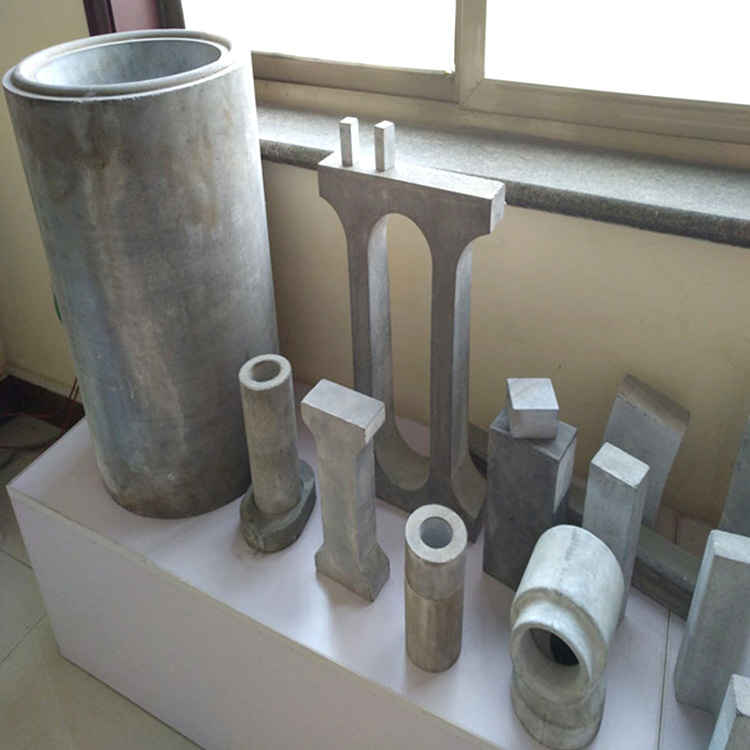
Rapid temperature changes represent the single greatest threat to Si₃N₄-bonded SiC brick integrity. A properly designed heating curve should never exceed 50°C per hour for the first 500°C, with specific holding periods at 200°C, 400°C, and 600°C to ensure complete moisture removal and phase stabilization.
Modern furnace control systems should be programmed with a customized ramp-up profile based on brick thickness and furnace geometry. A 2019 study by the American Ceramic Society demonstrated that furnaces following optimized heating protocols experienced 58% less early-stage brick spalling compared to those using generic heating curves.
Establishing a structured maintenance program can extend Si₃N₄-bonded SiC brick service life by 30-40%, according to industry data. Key elements include:
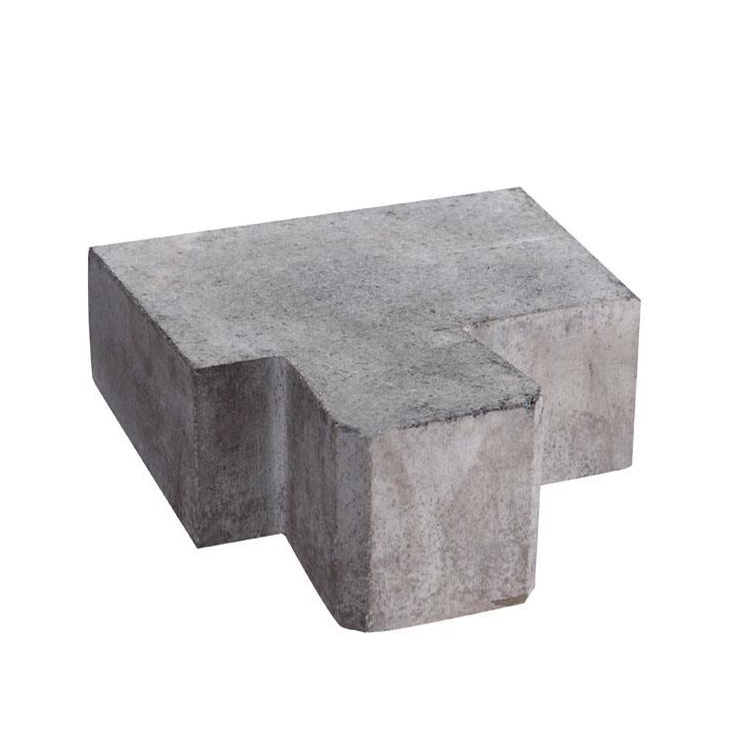
Understanding failure patterns is essential for developing targeted maintenance strategies:
| Failure Mode | Visual Characteristics | Common Causes | Preventive Measures |
|---|---|---|---|
| Spalling | Conchoidal fractures, flaking surfaces | Thermal shock, rapid temperature changes | Optimize heating/cooling rates, improve insulation |
| Erosion | Gradual material loss, uneven surfaces | High-velocity gas/slag flow, chemical attack | Optimize flow dynamics, apply protective coatings |
| Delamination | Layer separation parallel to surface | Poor bonding, contamination during installation | Improve surface preparation, ensure proper mortar application |
Download our comprehensive Si₃N₄-Bonded SiC Brick Installation & Maintenance Manual featuring:
By implementing these best practices for installation and maintenance, metallurgical operations can significantly extend furnace campaigns, reduce maintenance costs, and improve overall operational efficiency. The technical expertise required to work with Si₃N₄-bonded SiC bricks represents an investment that pays substantial dividends through enhanced productivity and reduced downtime. As refractory technology continues to evolve, partnering with experienced suppliers like Sunrise ensures access to the latest materials and application techniques for the most demanding metallurgical environments.