

In high-temperature industrial applications—from cement kilns to steelmaking furnaces—refractory clay bricks are the unsung heroes of operational safety and efficiency. But not all bricks are created equal. One critical factor that often goes unnoticed by procurement teams is the consistency of alumina (Al₂O₃) content within the brick matrix.
Research shows that when Al₂O₃ levels remain stable between 30%–46%, the resulting refractory brick exhibits significantly enhanced wear resistance under thermal cycling conditions. According to ASTM C125-23, materials with consistent alumina distribution demonstrate up to 35% less erosion after 1000 hours at 1400°C compared to those with fluctuating compositions.
This stability isn't just about mechanical strength—it's a chemical advantage. The weakly acidic nature of alumina-rich clay bricks creates a compatible interface with common furnace slags (especially in cement kilns), minimizing reactive penetration and spalling. In real-world trials across European steel plants, bricks with controlled Al₂O₃ content showed an average service life increase of 18–22% over non-stabilized alternatives.
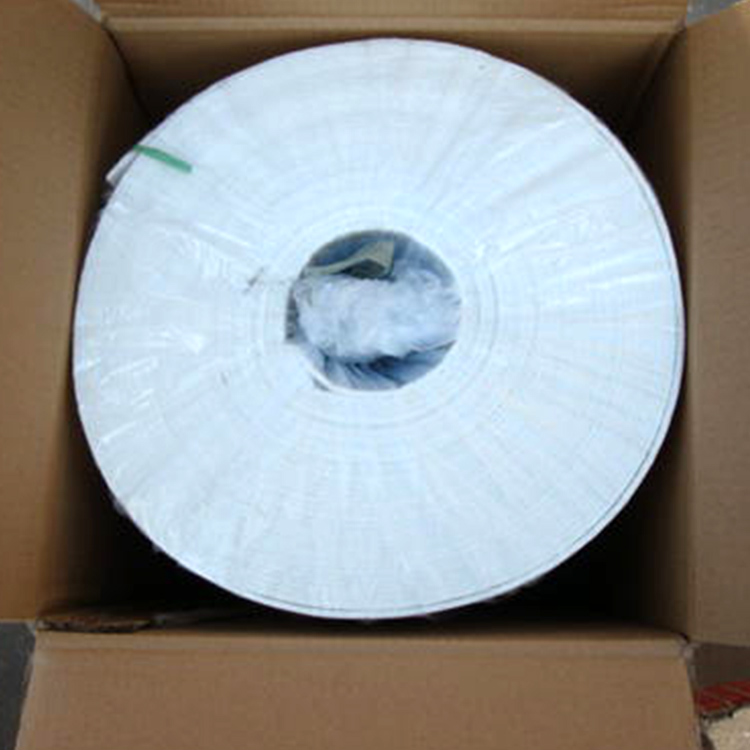
Industrial operators in India and China report fewer unplanned shutdowns when using bricks with verified Al₂O₃ consistency. For example, a major cement producer in Gujarat reduced refractory replacement frequency from every 6 months to every 9 months after switching to a supplier offering certified batch-to-batch uniformity (±1.5% deviation).
“ISO 1877-1:2021 emphasizes the importance of compositional homogeneity in refractory materials for predictable performance in aggressive environments.” — International Organization for Standardization
For technical buyers evaluating suppliers, this means asking for more than just a product spec sheet—you need batch test reports, thermal shock data, and slag interaction studies. These metrics provide actionable insights beyond marketing claims.
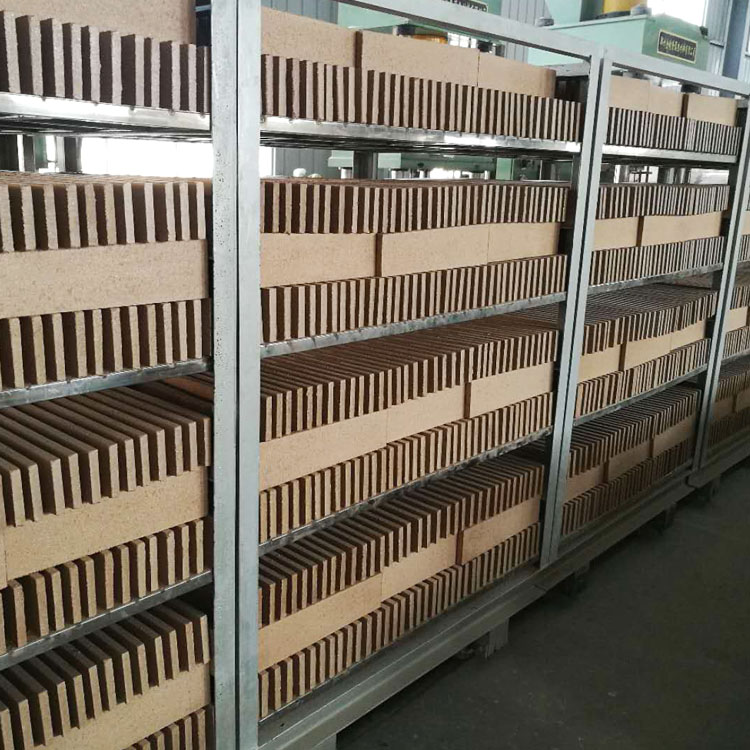
When selecting refractory solutions, prioritize suppliers who can demonstrate:
These aren’t just compliance checkboxes—they’re performance indicators that directly impact your bottom line through reduced downtime, lower maintenance costs, and safer operations.
Get our free technical whitepaper on “Al₂O₃ Stability & Refractory Life Extension Strategies” — including data-driven selection criteria used by top-tier global manufacturers.
Download Now →


 <#else>


