

In the realm of high-temperature industrial processes, the integrity and durability of furnace linings are pivotal to operational safety and efficiency. Among various refractory materials, high-alumina dense abrasion-resistant clay bricks fortified with a stable aluminum oxide (Al₂O₃) content offer compelling advantages. This discussion delves into the technical nuances of maintaining a consistent Al₂O₃ level and its direct contribution to enhancing the longevity and chemical resilience of refractory bricks used to safeguard industrial furnaces and kilns.
Al₂O₃ content generally ranges between 40% and 60% in high-alumina refractory clay bricks, with stability within ±1% being critical. This consistency directly affects the brittleness, thermal shock resistance, and chemical inertness of the bricks. Stable Al₂O₃ levels ensure that the brick’s crystal phases—mainly mullite—are optimized, promoting superior mechanical strength and high-temperature dimensional stability.
For instance, refractory bricks with stable Al₂O₃ content consistently show cold crushing strengths above 80 MPa and abrasion resistance improvements by up to 25% compared to bricks with variable alumina content. Moreover, bricks preserving their microstructure under temperatures exceeding 1600°C reduce the risk of lining failure or premature replacement.
The weak acidic nature of alumina-rich refractory bricks contributes significantly to minimizing deleterious chemical interactions with molten slags and gases in the furnace environment. Weak acidity mitigates corrosion and reaction with alkalis and acidic vapors, thereby extending the service life of the furnace lining and reducing maintenance frequency.
| Property | Stable Al₂O₃ Content (45-55%) | Variable Al₂O₃ Content |
|---|---|---|
| Cold Crushing Strength (MPa) | > 80 MPa | 60-70 MPa |
| Thermal Shock Resistance (Cycles) | > 30 | < 20 |
| Abrasion Loss (g/50 cycles) | 10-15 g | 18-25 g |
| Chemical Stability (with slags) | High | Moderate to Low |
High-alumina refractory bricks with stable Al₂O₃ consistently meet or exceed international standards such as ASTM C279 and ISO 1967, ensuring their mechanical and chemical properties are validated across industrial applications. Materials conforming to these standards reinforce process safety by reducing unexpected failures, which could lead to costly unscheduled downtime or hazardous incidents.
Industries including steelmaking, cement production, glass manufacturing, and petrochemical refining rely on furnace linings that withstand extreme conditions without compromising safety. Stable Al₂O₃ content specifically benefits cases where abrasion, thermal stress, and chemical exposure coexist.
For example, in blast furnace stove linings, maintaining Al₂O₃ stability reduces erosion from hot gases and slag accumulation, extending lifetime by up to 20%, and lowering total annual maintenance costs by 10-15%. Similarly, rotary kiln applications find enhanced abrasion resistance that helps maintain consistent production schedules without frequent brick replacement.
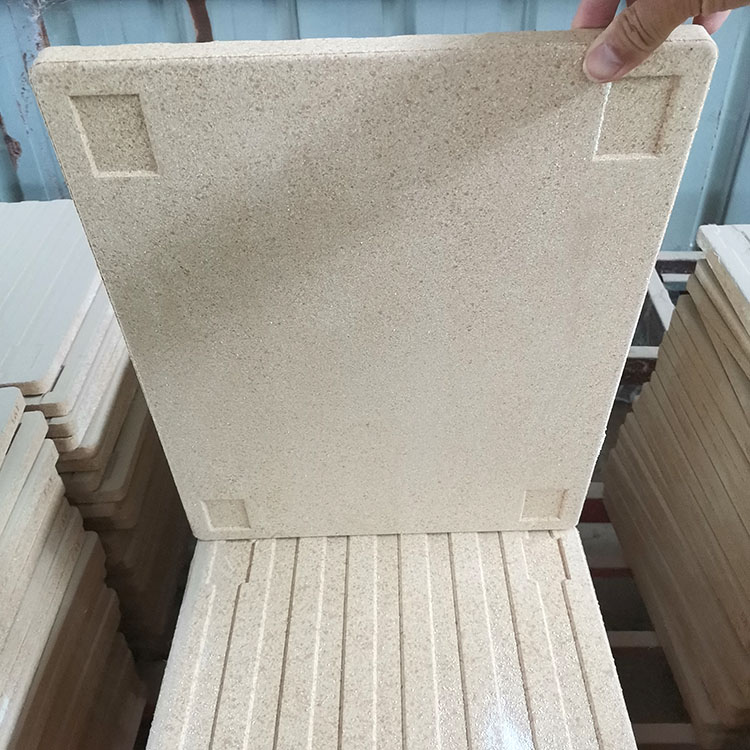
Decision-makers must evaluate refractory materials not only by upfront costs but also by lifecycle performance and failure risks. Investing in high-alumina dense abrasion-resistant bricks with strictly controlled stable Al₂O₃ content reduces the likelihood of critical furnace lining breakdowns, thus ensuring safer operating environments and improved process continuity.
Engineers also benefit from the detailed performance data and standardized testing protocols supporting these bricks, enabling predictive maintenance scheduling and risk mitigation strategies based on quantified abrasion rates, corrosion levels, and thermal degradation thresholds.
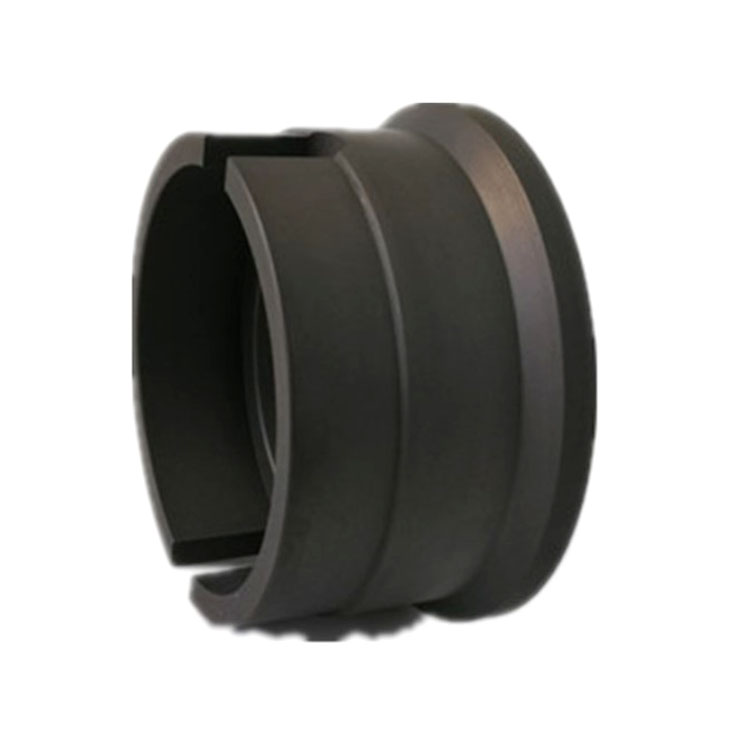
Suppliers and manufacturers targeting procurement professionals can leverage SEO best practices around keywords such as "stable Al₂O₃ refractory bricks," "high-alumina abrasion-resistant bricks," and "furnace lining safety materials" to drive qualified traffic and inquiries. Content integrating these keywords naturally, supported by authoritative data, case studies, and clear use benefits, will achieve higher ranking on platforms like Google, LinkedIn, and B2B sourcing portals.
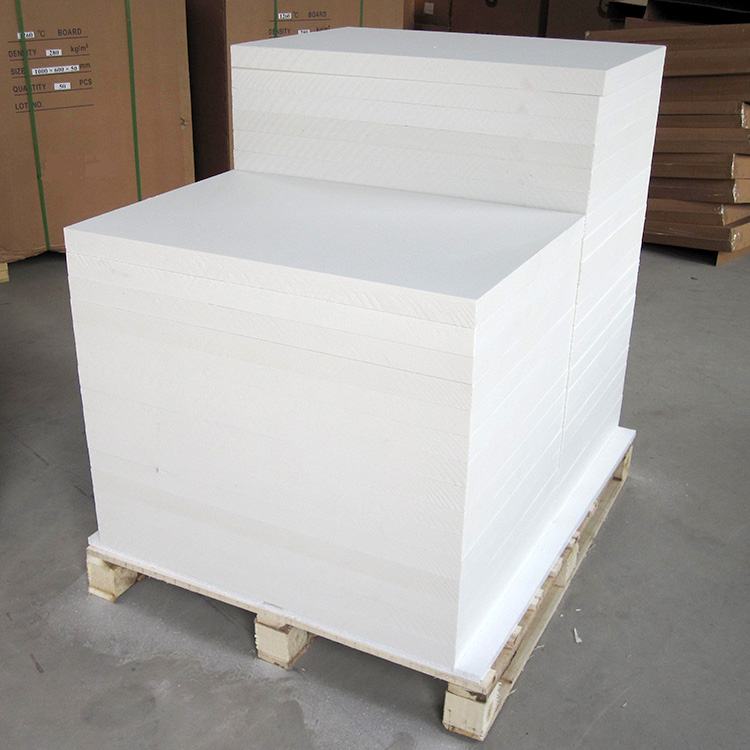


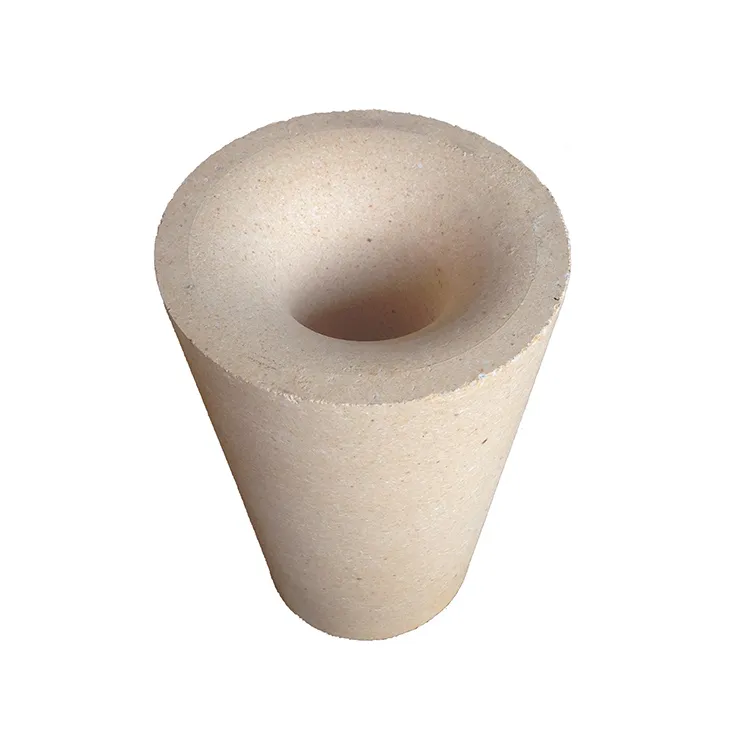


 <#else>


