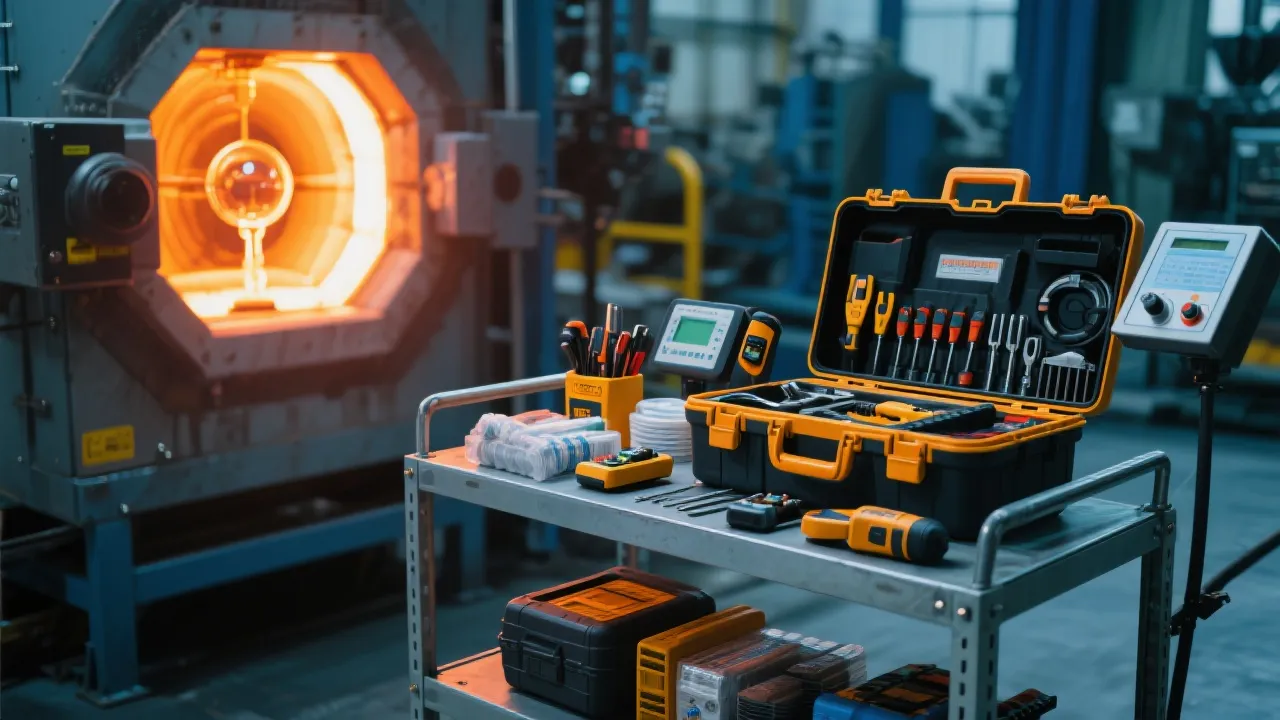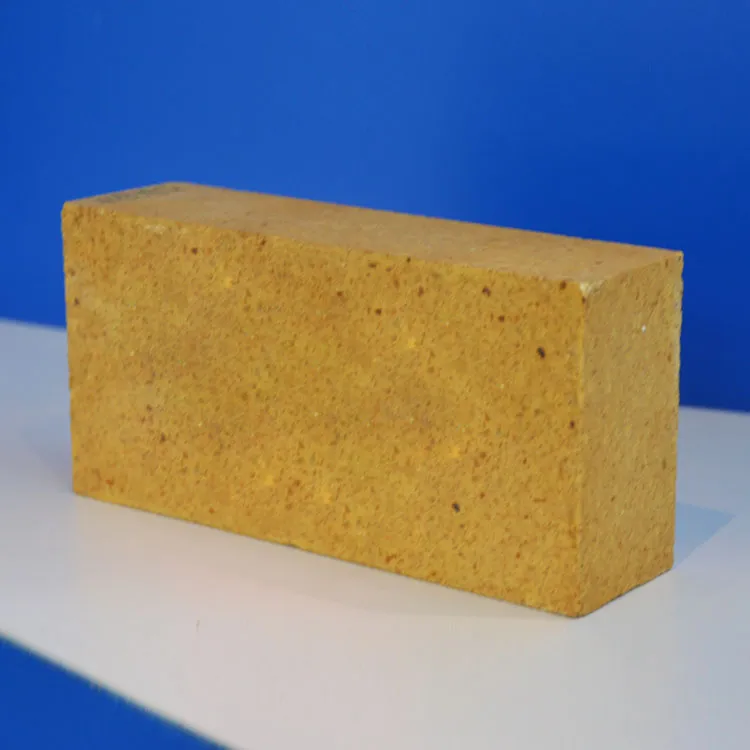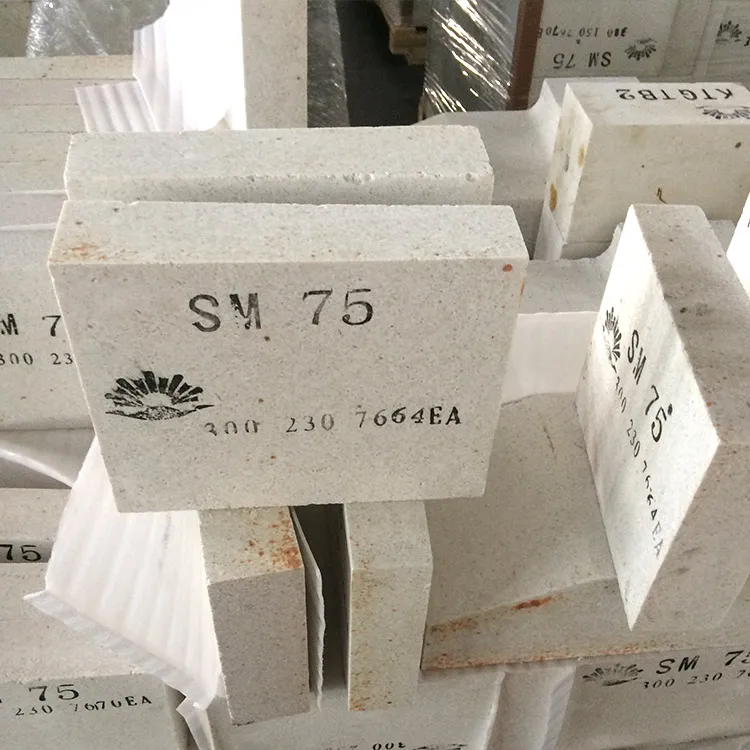
In dry quenching (DQ) systems used in modern steel plants, refractory linings—especially high-alumina mullite bricks—are subjected to extreme thermal cycling. These conditions make them highly susceptible to thermal shock failure, which can lead to unexpected shutdowns and significant operational losses. But with the right understanding of material behavior under stress, engineers can proactively identify early signs of degradation and implement effective preventive measures.
A comprehensive study conducted across five integrated steel mills revealed that three primary variables significantly impact the performance of high-alumina mullite bricks:
These findings were validated through field data collected over 18 months at a major Chinese steel plant, where upgraded brick formulations extended lining life from an average of 14 months to 22 months—reducing unplanned downtime by 37%.
At a mid-sized European facility, frequent hot spots near the coke chute indicated premature thermal fatigue. Upon inspection, engineers discovered that uneven heat distribution caused localized temperature spikes exceeding 800°C per hour—a known trigger for rapid crack formation. After switching to a new formulation with enhanced phase stability and installing ceramic fiber insulation layers, the system achieved stable operation for over 18 consecutive months without any refractory-related failures.
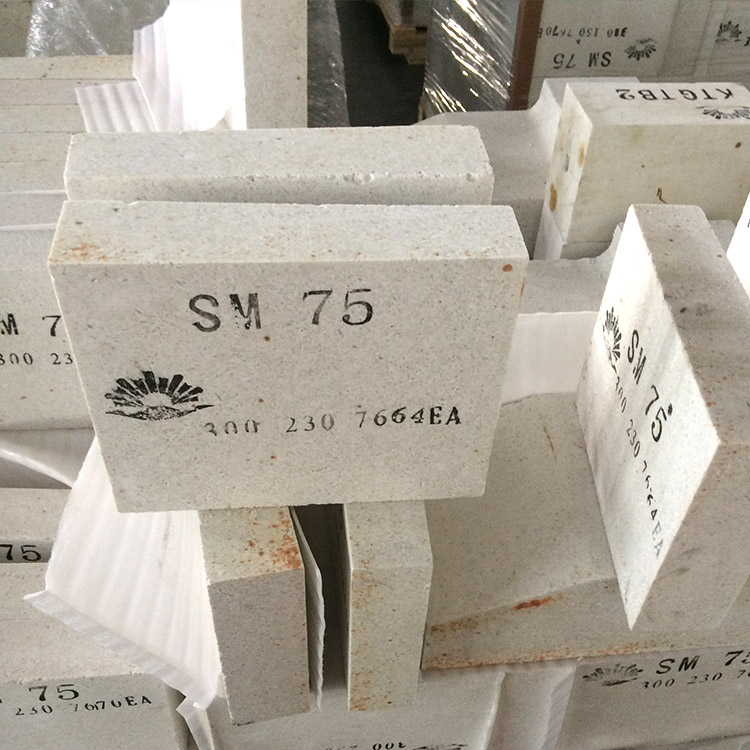
This case illustrates how subtle changes in raw material selection and process control can yield substantial improvements—not just in product longevity but also in safety and cost efficiency.
If you're working with dry quenching systems or managing refractory maintenance programs, now is the time to assess whether your current materials are meeting today’s performance demands. Understanding thermal shock mechanisms isn't just academic—it's essential for reducing risk, optimizing production, and protecting your bottom line.
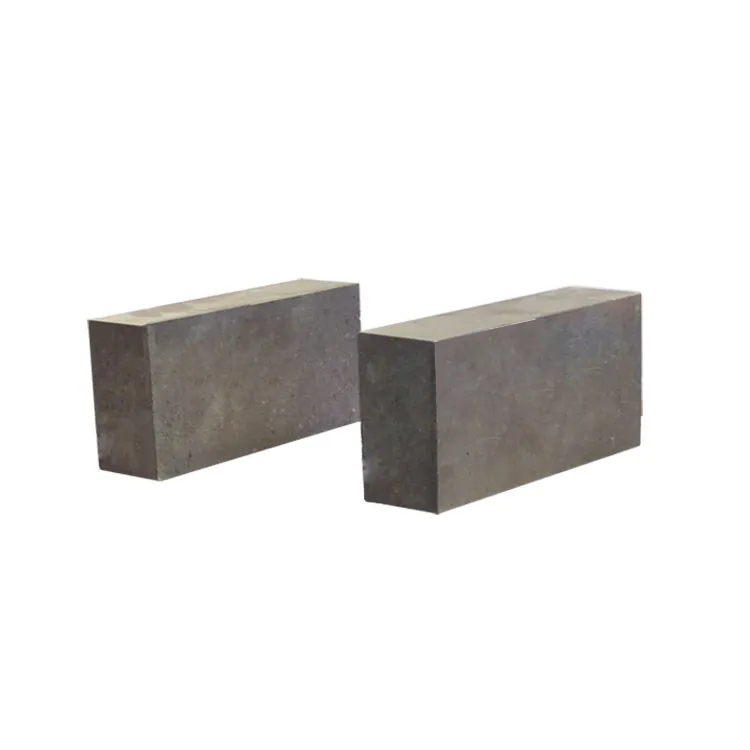
Ready to upgrade your refractory strategy? Explore our advanced high-alumina mullite bricks engineered for superior thermal shock resistance and longer service life—designed specifically for demanding dry quenching environments.
Get Technical Specifications & Test Reports




.jpg?x-oss-process=image/resize,h_1000,m_lfit/format,webp)