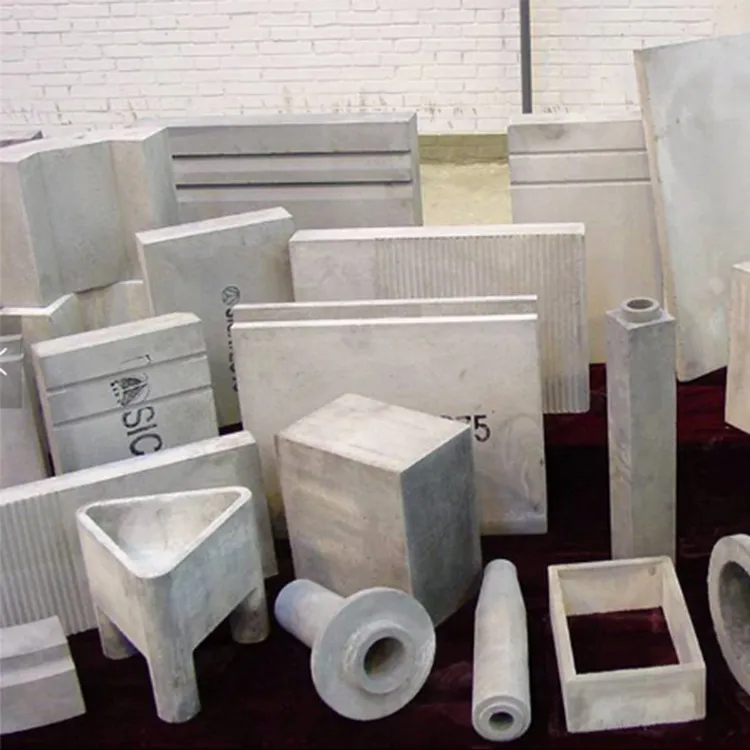
Comprehensive Laboratory Evaluation of Thermal Shock Resistance in Dry Quenching Refractory Bricks

24 12,2025
Sunrise
Technical knowledge
Is your dry quenching refractory brick cracking every time it undergoes rapid temperature changes? This article provides a detailed walkthrough of the laboratory testing process for thermal shock resistance, from the ΔT=850°C water quench test standard to on-site crack propagation rate analysis. Learn how to scientifically assess the true stability of refractory materials and avoid common misinterpretations, such as relying solely on load softening temperature. Additionally, benefit from frontline engineers' practical tips on using infrared thermography to detect local overheating zones. This knowledge empowers you to shift from reactive repairs to proactive maintenance, ultimately enhancing equipment lifespan and operational safety.
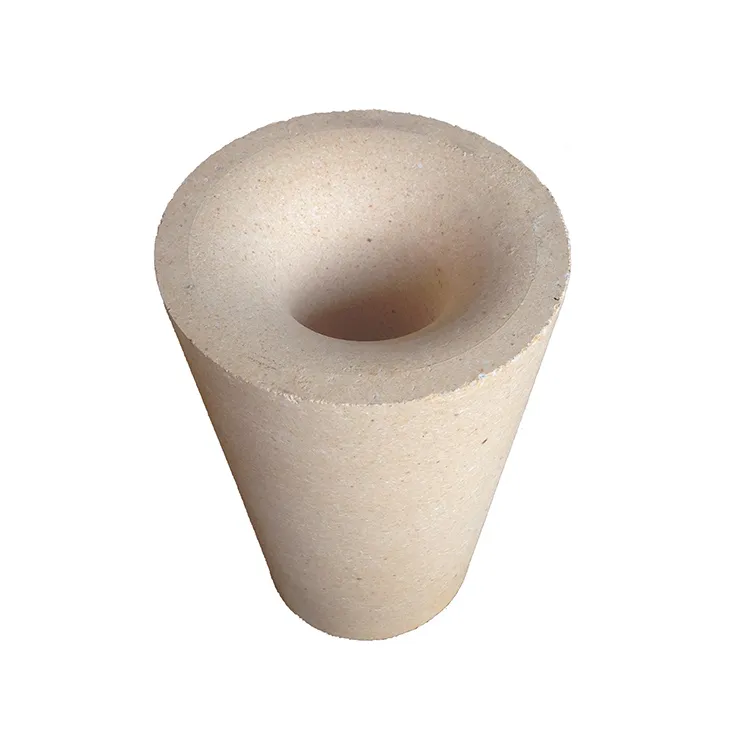
nitroxide-bonded-silicon-carbide-brick-5.jpg

Understanding the Thermal Shock Resistance Testing Process for Dry Quenching Refractory Bricks

Are your dry quenching refractory bricks cracking every time they face rapid temperature changes? This persistent issue of thermal shock damage remains a headache in harsh industrial environments where temperature fluctuations can exceed 800°C. To scientifically evaluate the real stability of your refractory materials, understanding the comprehensive laboratory testing workflow is critical.

1. Industry Challenge: Thermal Cycling-Induced Cracking in Dry Quenching Systems

Dry quenching systems experience extreme and sudden temperature differences during operation, often cycling between temperatures near 1500°C and rapid cooling phases. This repetitive thermal stress causes refractory bricks to develop cracks or even fail prematurely, leading to costly maintenance and unexpected shutdowns.

2. Laboratory Testing Methodology: The ΔT=850°C Water Quench Test Explained

The cornerstone of assessing thermal shock resistance is the water quench test following a ΔT=850°C standard. Here’s how it works:

  • Heating phase: Specimens are heated to approximately 1550°C in a high-temperature furnace.
  • Quenching phase: Bricks are rapidly submerged in water to simulate drastic thermal contraction.
  • Cycles: The test includes multiple cycles, often 10 or more, to understand crack initiation and propagation over time.

This method replicates operational stresses and helps quantify resistance to thermal shock cracking by measuring crack lengths, number of cracks, and weight loss after testing.

Typical Thermal Shock Test Data:
- Crack length increase per cycle: 0.5 mm average for high-quality bricks.
- Weight loss over 10 cycles: below 2% indicates excellent integrity.
- Visual cracks: observable after 5 cycles in lower-grade materials.

3. Validating Laboratory Results with Field Service Data

Lab results are foundational but need on-site validation. Engineers monitor crack growth rates and spalling areas in-service using periodic inspections and non-destructive techniques:

  • Crack propagation speed: Typically ranges from 0.1–0.3 mm/day under typical operating cycles.
  • Spalled area tracking: Quantifies surface degradation, informing maintenance scheduling.

Understanding these parameters is essential to predict when to perform repairs or replacements, optimizing operational uptime and safety.
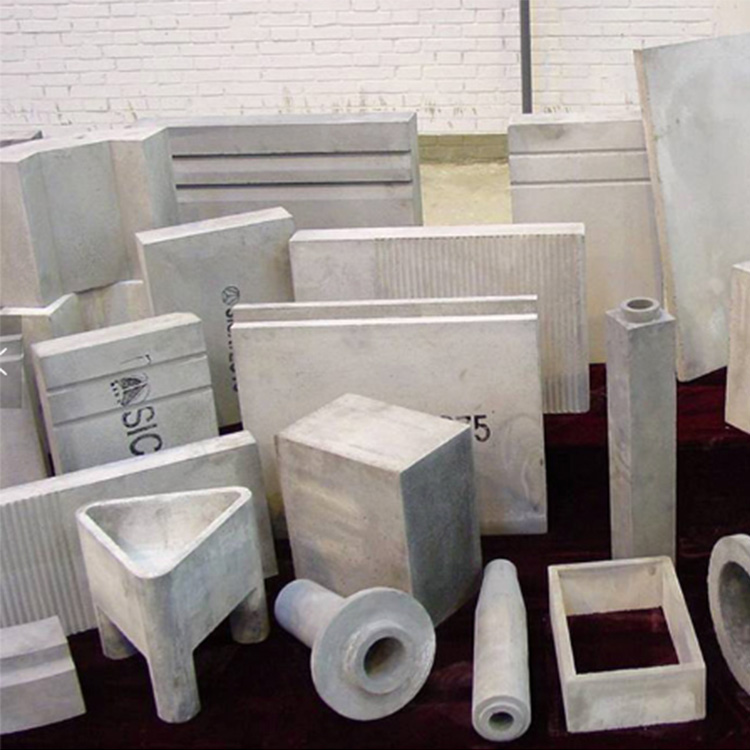
Visual data chart comparing crack propagation in different refractory bricks under cyclic thermal shock

4. Avoiding Common Misinterpretations: Why Sole Reliance on Load Softening Temperature is Risky

Many manufacturers and engineers mistakenly use only load softening temperature (LST) as an indicator of refractory performance. However, LST reveals the deformation temperature under load but does not directly measure resistance to rapid thermal cycling. Prioritizing thermal shock indicators prevents:

  • Underestimating susceptibility to cracking during cooldowns.
  • Missing early warnings of localized overheating.
  • Unexpected refractory failure causing costly downtime.

5. Practical On-Site Diagnostics: Leveraging Infrared Thermal Imaging

Field engineers increasingly use infrared (IR) thermal cameras to detect hotspots indicative of localized overheating, which is a precursor to thermal shock damage. Here are effective tips for your teams:
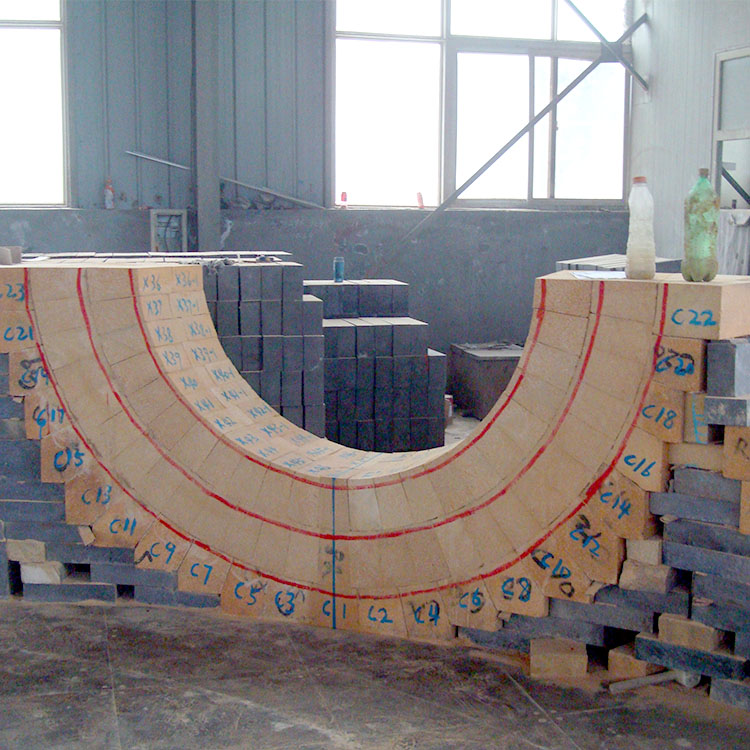
  • Scan the refractory surface regularly; hotspots appear as bright areas on the IR image, often correlating with early microcracks.
  • Integrate IR imaging data with downtime logs to create predictive maintenance schedules.
  • Combine thermal imaging with physical inspection for holistic assessment.
Infrared thermal imaging identifying localized overheating regions in refractory brick linings

6. Real-World Success Story: Minimizing Downtime Through Proper Thermal Shock Assessment

Consider a leading steel mill that faced repeated unscheduled shutdowns due to refractory failures in its dry quenching unit. Initially, they selected bricks based on load softening temperature alone, neglecting thermal shock parameters. After implementation of comprehensive thermal shock testing and switching to a high-alumina mullite brick tailored for superior thermal shock resistance, the plant achieved:
  • Zero thermal shock-related cracks during a six-month continuous run.
  • Reduction of maintenance downtime by 30%.
  • Improved safety margins and operational costs.
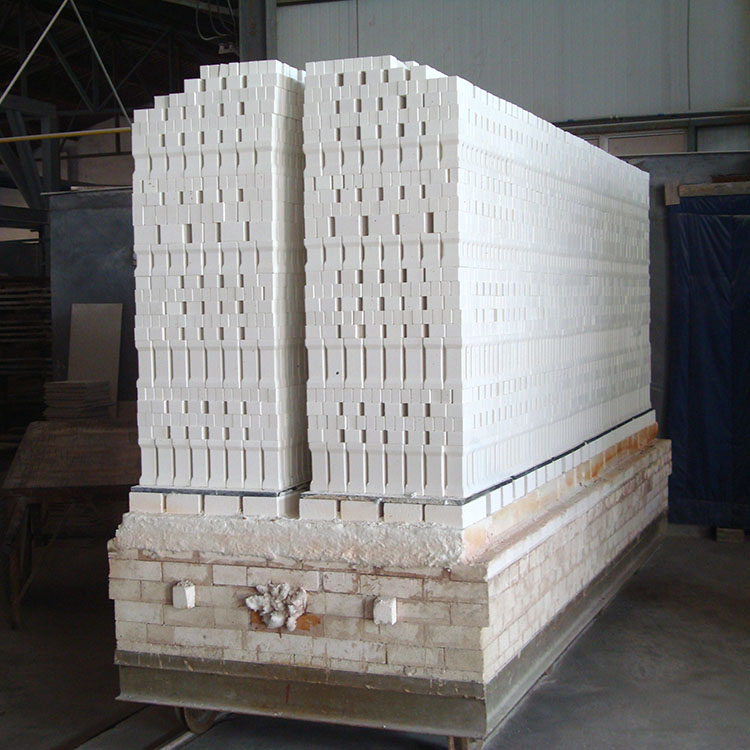
Comparison chart illustrating the improved thermal shock performance of high alumina mullite bricks versus standard refractory bricks

Interactive Q&A

Q1: How often should thermal shock testing be conducted for quality control?
A: Ideally, batch-wise testing is recommended during production, and post-installation monitoring quarterly for critical units.

Q2: Can offline lab data fully predict in-service refractory lifespan?
A: Lab data provides baseline resistance, but field data, including IR imaging, is essential for complete lifecycle assessment.

Q3: What is a cost-effective way to implement thermal shock diagnostics?
A: Start with IR imaging combined with a few targeted lab tests to understand your specific material behavior under operating conditions.

Feel free to leave your questions or share your experiences in the comments below.

Name *
Email *
Message*

Recommended Products

Popular articles
Recommended Reading
<#if (articleDetails.articleDetailsRelatedArticles.articleList?has_content)?? && (articleDetails.articleDetailsRelatedArticles.articleList?size>0)> <#if (articleDetails.articleDetailsRelatedArticles.isShow)?? && articleDetails.articleDetailsRelatedArticles.isShow> <#if (articleDetails.articleDetailsRelatedArticles.title)?? && articleDetails.articleDetailsRelatedArticles.title!="">

${articleDetails.articleDetailsRelatedArticles.title}

<#list articleDetails.articleDetailsRelatedArticles.articleList as list>
<#if (list.imgUrl?has_content)?? && (list.imgUrl?has_content)> ${list.imgAlt} <#else> img

${list.title}

${(list.updateTime)?number_to_datetime?string('dd MM ,yyyy')}
Contact us
Contact us
https://shmuker.oss-cn-hangzhou.aliyuncs.com/tmp/temporary/60ec5bd7f8d5a86c84ef79f2/60ec5bdcf8d5a86c84ef7a9a/thumb-prev.png