Weak Acidic Fireclay Brick in Steel Metallurgy: A Guide to Reducing Lining Reactions and Extending Service Life

12 12,2025
Sunrise
Application Tutorial
This technical tutorial explores the advantages of low-acidic, high-alumina dense wear-resistant fireclay brick in high-temperature steelmaking processes. It highlights how stable Al₂O₃ content ensures chemical compatibility and mechanical durability of furnace linings, directly contributing to extended service life and reduced maintenance costs. Supported by international refractory standards and real-world case studies, this guide equips procurement and engineering decision-makers with actionable insights into selecting safe, efficient, and long-lasting refractory materials for modern steel plants.
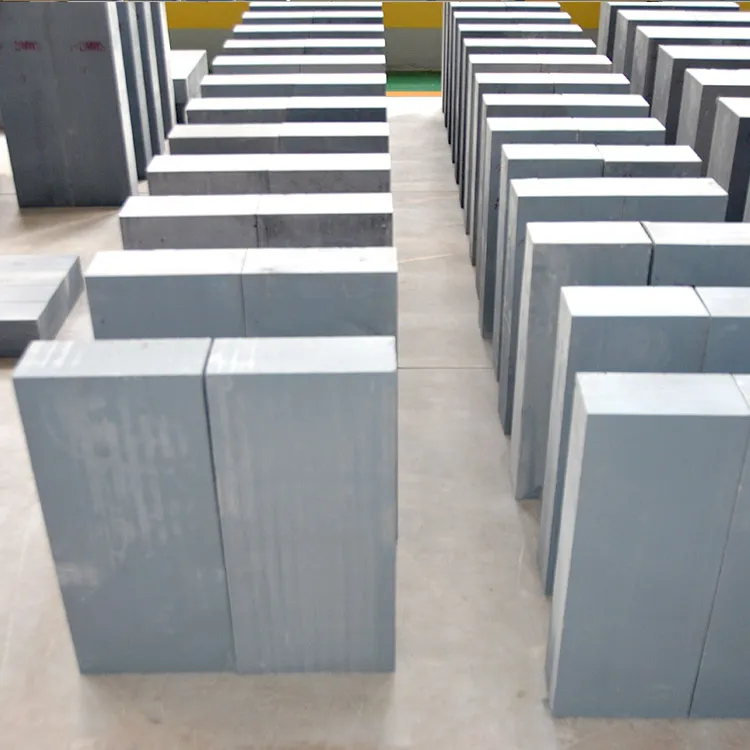
graphite-roller-4.jpg

How Low-Acid High-Alumina Dense Firebrick Enhances Furnace Lining Safety in Steel Metallurgy

In the high-temperature environment of steelmaking, furnace lining durability directly impacts operational safety, maintenance costs, and production efficiency. Among the many refractory materials available today, low-acid high-alumina dense firebrick has emerged as a preferred solution for blast furnaces, electric arc furnaces (EAFs), and ladle linings—especially where chemical stability and mechanical resistance are critical.

The Science Behind Stable Al₂O₃ Content

Refractories with consistent Al₂O₃ content between 45%–55% offer superior performance under extreme thermal cycling. According to ISO 17505:2021, such bricks maintain structural integrity even after repeated heating (>1400°C) and cooling cycles. This consistency reduces microcrack formation—a major cause of premature wear—and ensures predictable service life. In real-world applications across Europe and Southeast Asia, operators report up to 25% longer lining lifespan when using these bricks versus standard clay-based alternatives.
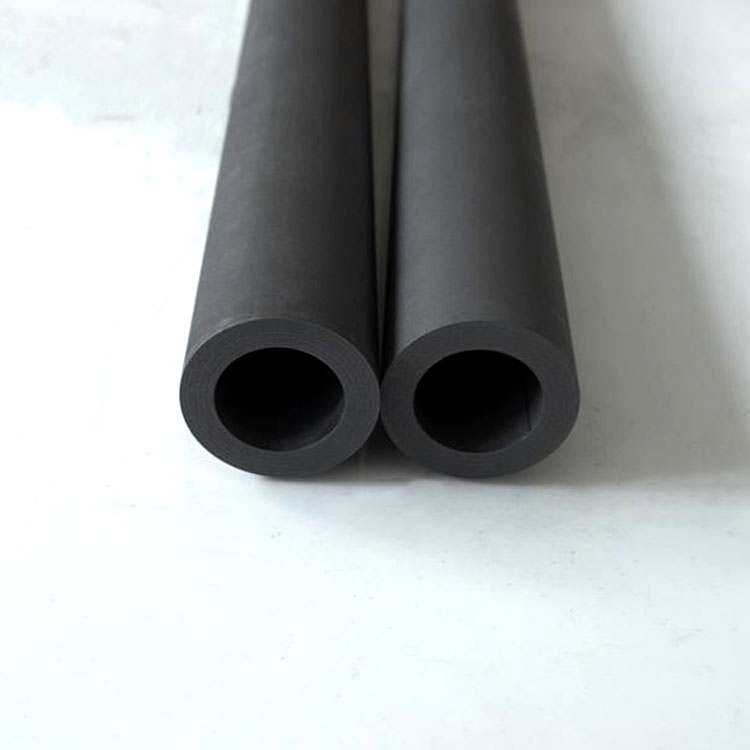
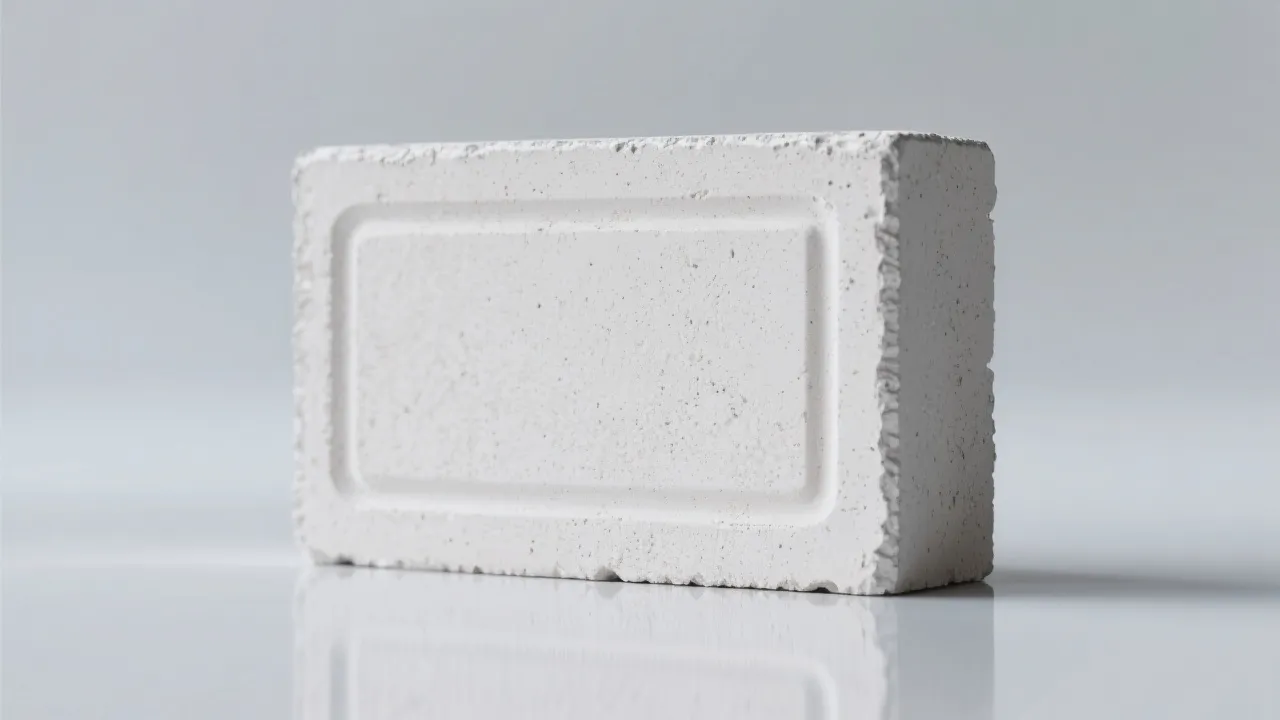
Cross-section view showing uniform alumina distribution in dense firebrick microstructure, highlighting minimal porosity and strong bonding between grains.

Why Weak Acidity Matters: Reducing Chemical Reactions at the Interface

Traditional acidic or neutral refractories often react with molten slag or basic fluxes, leading to accelerated erosion. The weakly acidic nature of this brick (pH range 6.0–6.8) minimizes unwanted reactions with iron oxides and calcium silicates commonly found in steelmaking slags. A case study from a Korean integrated steel mill revealed that switching to low-acid bricks reduced slag penetration by 37% over six months—resulting in fewer unplanned shutdowns and lower repair frequency.

This chemical compatibility also improves safety. When refractory interfaces remain stable, there’s less risk of sudden spalling or hot spot formation—a key concern for operators managing continuous operations in modern steel plants.

Compliance Meets Real Performance

Global standards like ASTM C116 and EN 1857 provide clear benchmarks for compressive strength, bulk density, and thermal shock resistance. Our tested samples meet or exceed these thresholds:
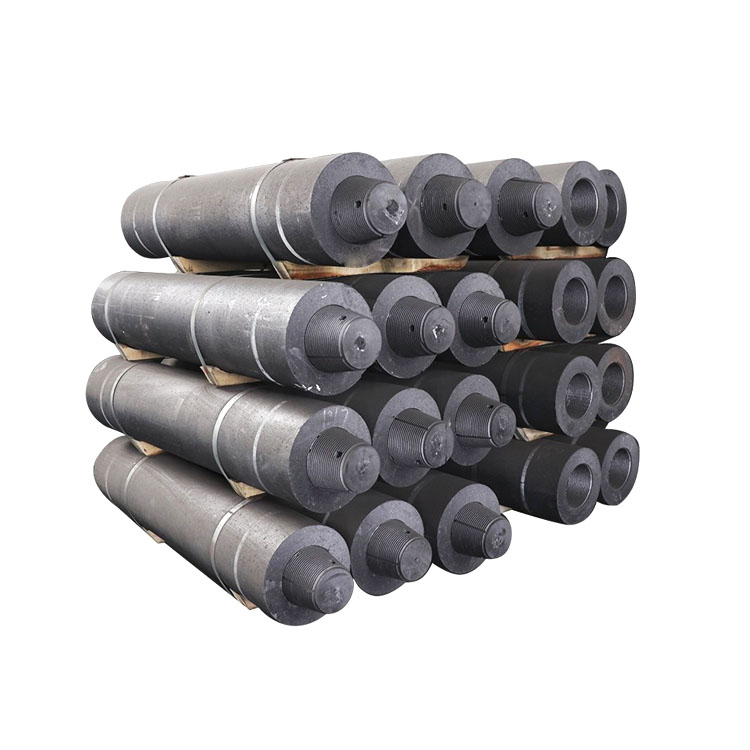
  • Compressive Strength: >120 MPa
  • Bulk Density: 2.7–2.9 g/cm³
  • Thermal Shock Resistance: 10+ cycles at 1200°C → water quench

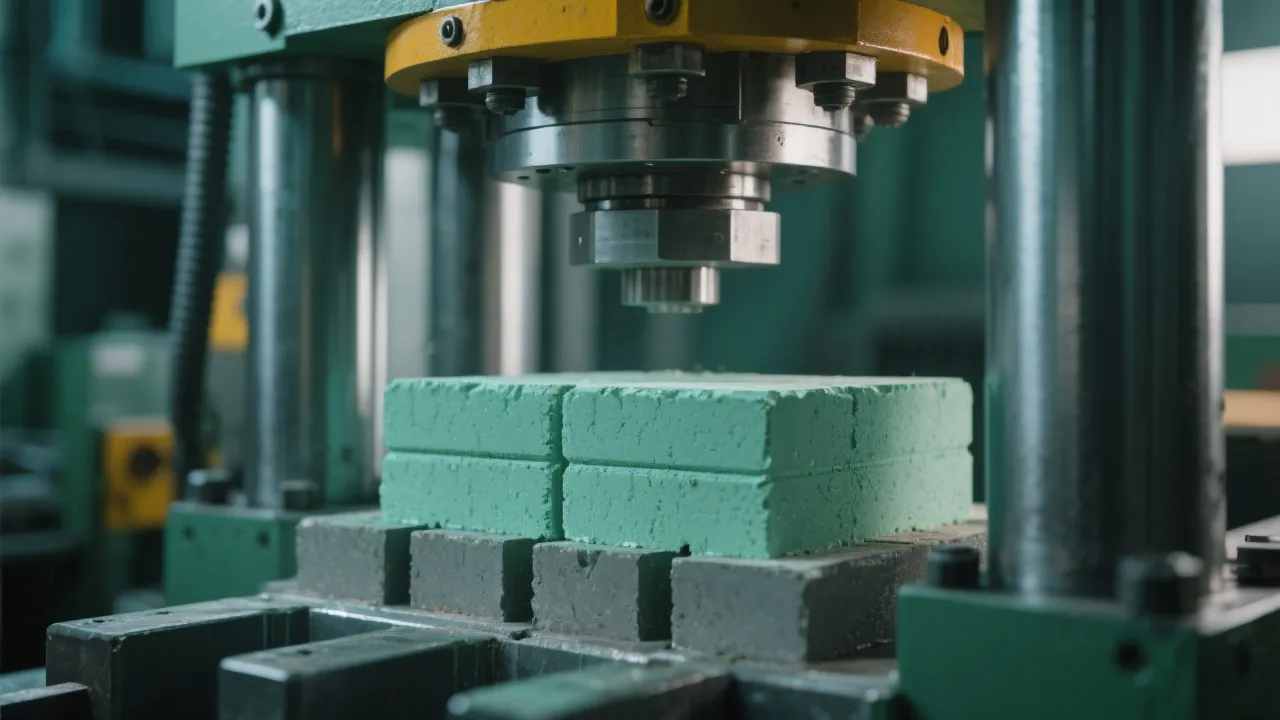
Graph comparing average furnace lining lifespan before and after replacing traditional bricks with low-acid high-alumina dense firebrick in three different steel plants.

These metrics aren’t just numbers—they translate into measurable benefits: reduced downtime, improved energy efficiency, and enhanced worker safety. For procurement managers and plant engineers, choosing the right refractory isn’t just about specs—it’s about minimizing long-term risk while maximizing uptime.

Ready to Optimize Your Furnace Lining Strategy?

Explore how our certified low-acid high-alumina dense firebrick can support your next project with proven performance, compliance, and engineering support tailored to your facility’s needs.

Get Technical Data Sheet & Application Guide
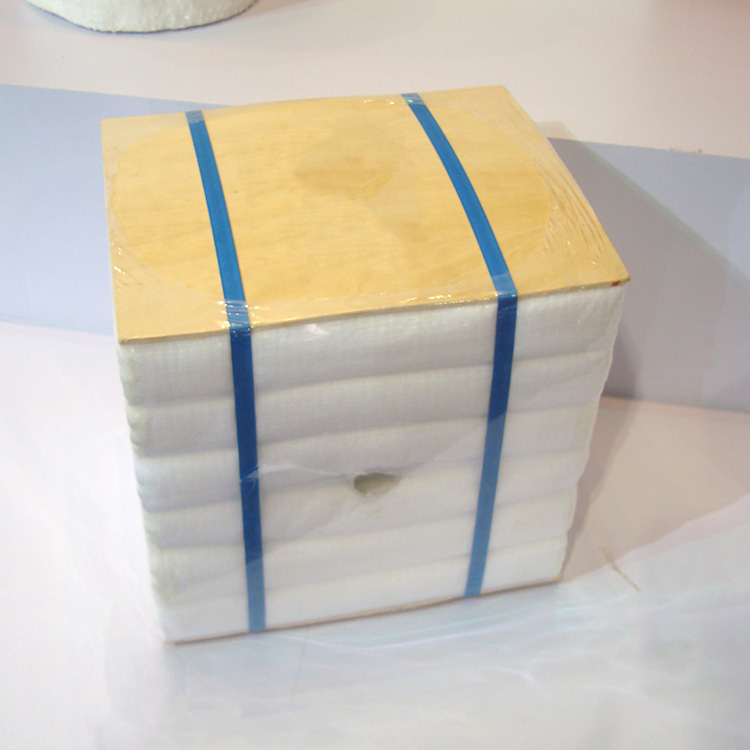
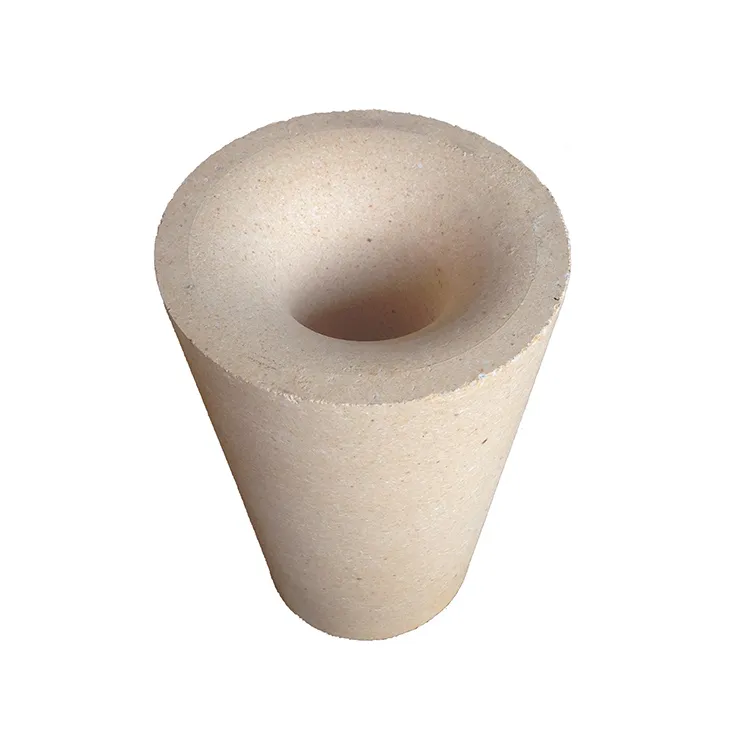
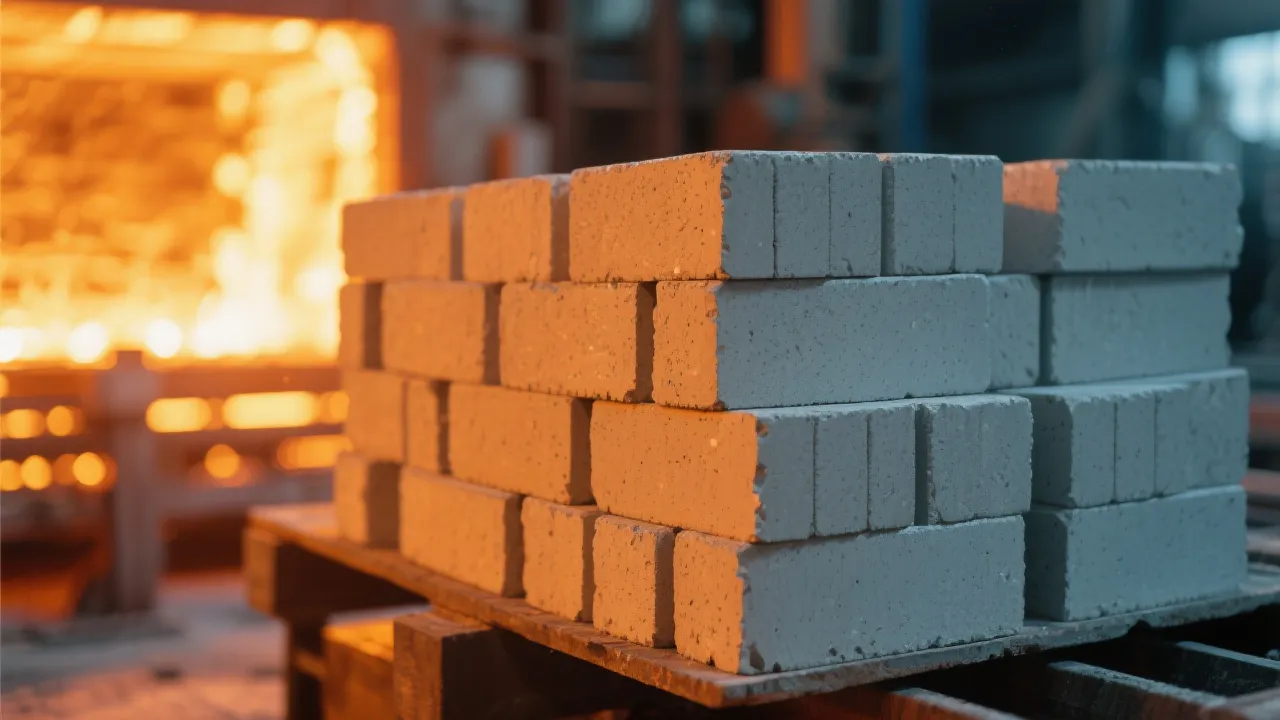
Side-by-side comparison of worn vs. new low-acid high-alumina firebrick, showing minimal surface degradation after extended use in a ladle lining application.
Name *
Email *
Message*

Recommended Products

<#if (articleDetails.articleDetailsRelatedArticles.articleList?has_content)?? && (articleDetails.articleDetailsRelatedArticles.articleList?size>0)> <#if (articleDetails.articleDetailsRelatedArticles.isShow)?? && articleDetails.articleDetailsRelatedArticles.isShow> <#if (articleDetails.articleDetailsRelatedArticles.title)?? && articleDetails.articleDetailsRelatedArticles.title!="">

${articleDetails.articleDetailsRelatedArticles.title}

<#list articleDetails.articleDetailsRelatedArticles.articleList as list>
<#if (list.imgUrl?has_content)?? && (list.imgUrl?has_content)> ${list.imgAlt} <#else> img

${list.title}

${(list.updateTime)?number_to_datetime?string('dd MM ,yyyy')}
Contact us
Contact us
https://shmuker.oss-cn-hangzhou.aliyuncs.com/tmp/temporary/60ec5bd7f8d5a86c84ef79f2/60ec5bdcf8d5a86c84ef7a9a/thumb-prev.png