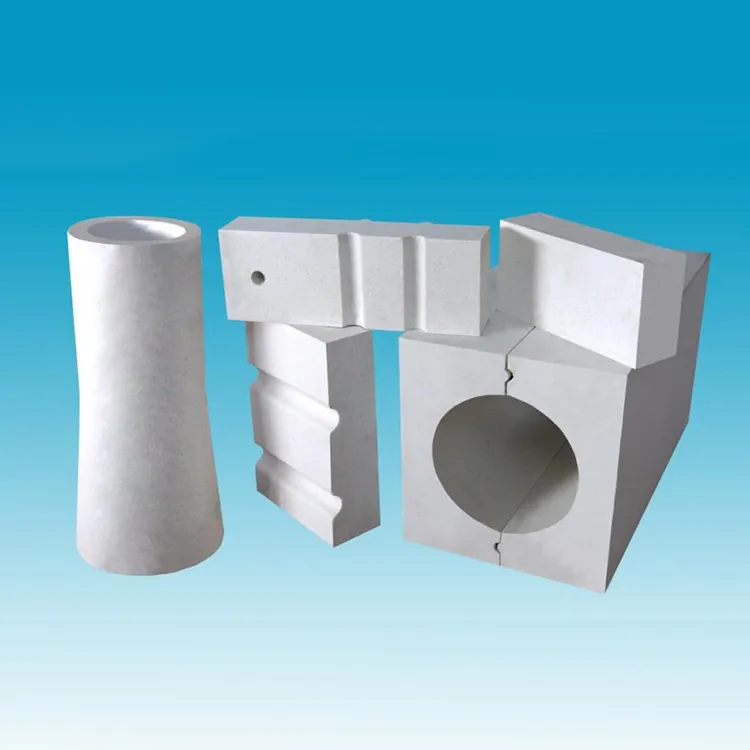
Have you ever wondered why your dry quenching refractory bricks crack as soon as they cool down? It's not an accident but a clear sign that the thermal shock resistance has been misjudged. In the dry quenching system, refractory materials often face the core pain point of cracking due to temperature differences. This article will guide you through avoiding common selection mistakes by analyzing three key indicators.
To accurately evaluate the thermal shock resistance of dry quenching refractory bricks, we need to verify it from two dimensions: laboratory standard tests and on - site service data.
Laboratory Standard Tests: The water - cooling test at ΔT = 850°C in the laboratory is a crucial method. This test simulates extreme temperature changes to check how well the refractory bricks can withstand thermal shocks. For example, if a refractory brick can maintain its integrity after multiple cycles of this high - temperature water - cooling test, it indicates good thermal shock resistance.
On - Site Service Data: On - site data such as the spalling area and crack propagation rate are also essential. By observing the actual performance of refractory bricks in the dry quenching system, we can get a more realistic understanding of their thermal shock resistance. For instance, if the crack propagation rate of a certain type of refractory brick is very high in the field, it means that it may not be suitable for long - term use in the high - temperature and high - stress environment of the dry quenching system.
Expert Viewpoint: "Accurately evaluating the thermal shock resistance of refractory bricks requires a combination of laboratory tests and on - site data. Ignoring either aspect may lead to misjudgments." - Dr. Smith, a materials science expert
One common misjudgment in the industry is only focusing on the refractoriness under load while ignoring thermal shock indicators. The refractoriness under load is an important property, but it cannot fully represent the thermal shock resistance of refractory bricks. If you only consider this factor when selecting refractory bricks, it may bring significant operational risks. For example, a refractory brick with high refractoriness under load may still crack easily due to poor thermal shock resistance in a high - temperature and rapidly changing environment.
Front - line engineers have accumulated many practical skills in dealing with the thermal shock problems of refractory bricks. One of them is using infrared thermal imaging to assist in diagnosing local over - heating areas. By detecting the temperature distribution of the kiln with infrared thermal imaging technology, we can find local over - heating areas in time and take corresponding measures to prevent further damage to the refractory bricks.
Let's take a look at a typical case. A steel plant replaced its refractory bricks with high - alumina mullite bricks. After that, the dry quenching system ran stably for half a year without any damage. This case shows that choosing the right refractory bricks can significantly improve the stability and service life of the system.
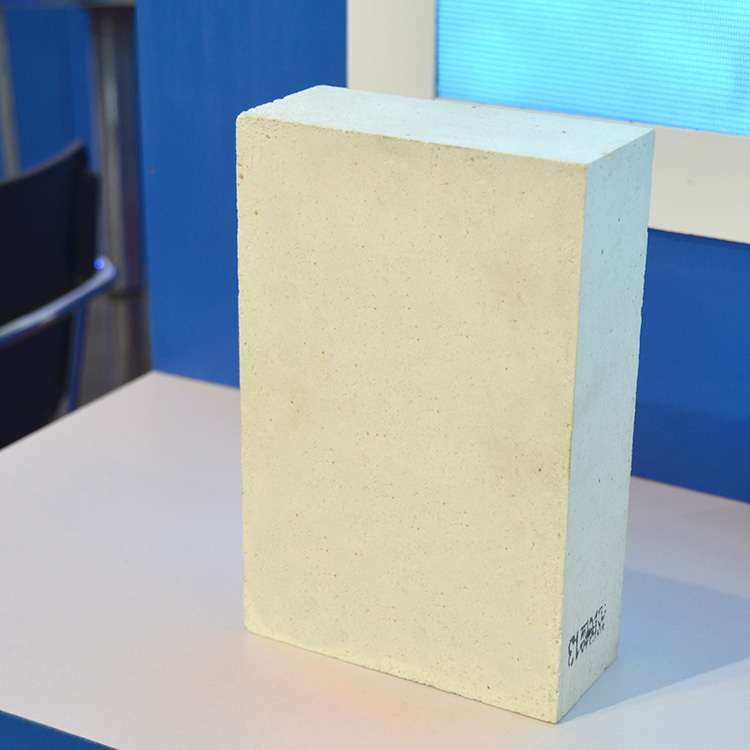
To avoid the problem of refractory bricks cracking due to thermal shock, we need to adopt scientific detection methods and make reasonable selection suggestions. Here are some practical suggestions:
Do you have any questions about the thermal shock resistance of dry quenching refractory bricks? Leave your questions in the comments section below, and we'll do our best to answer them!
By following the methods and suggestions in this article, you can shift from passive maintenance to active maintenance, improving the service life and operational stability of the kiln. If you want to learn more about the practical operation of detecting the thermal shock resistance of dry quenching refractory bricks, click here to get the "Practical Manual for Thermal Shock Detection of Dry Quenching Refractory Bricks" PDF.







.jpg?x-oss-process=image/resize,h_1000,m_lfit/format,webp)